








Audio
—
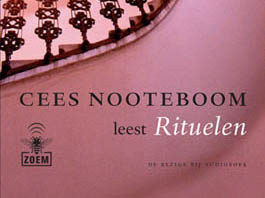
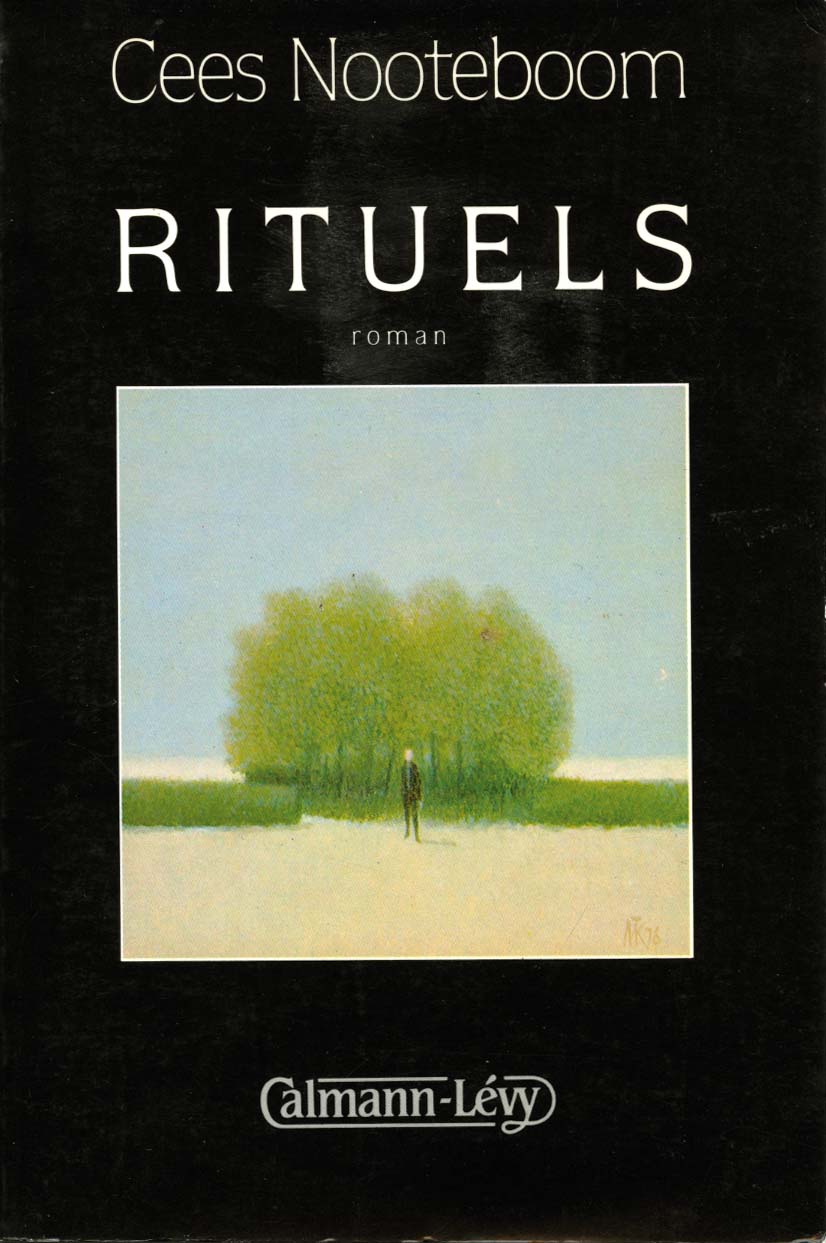
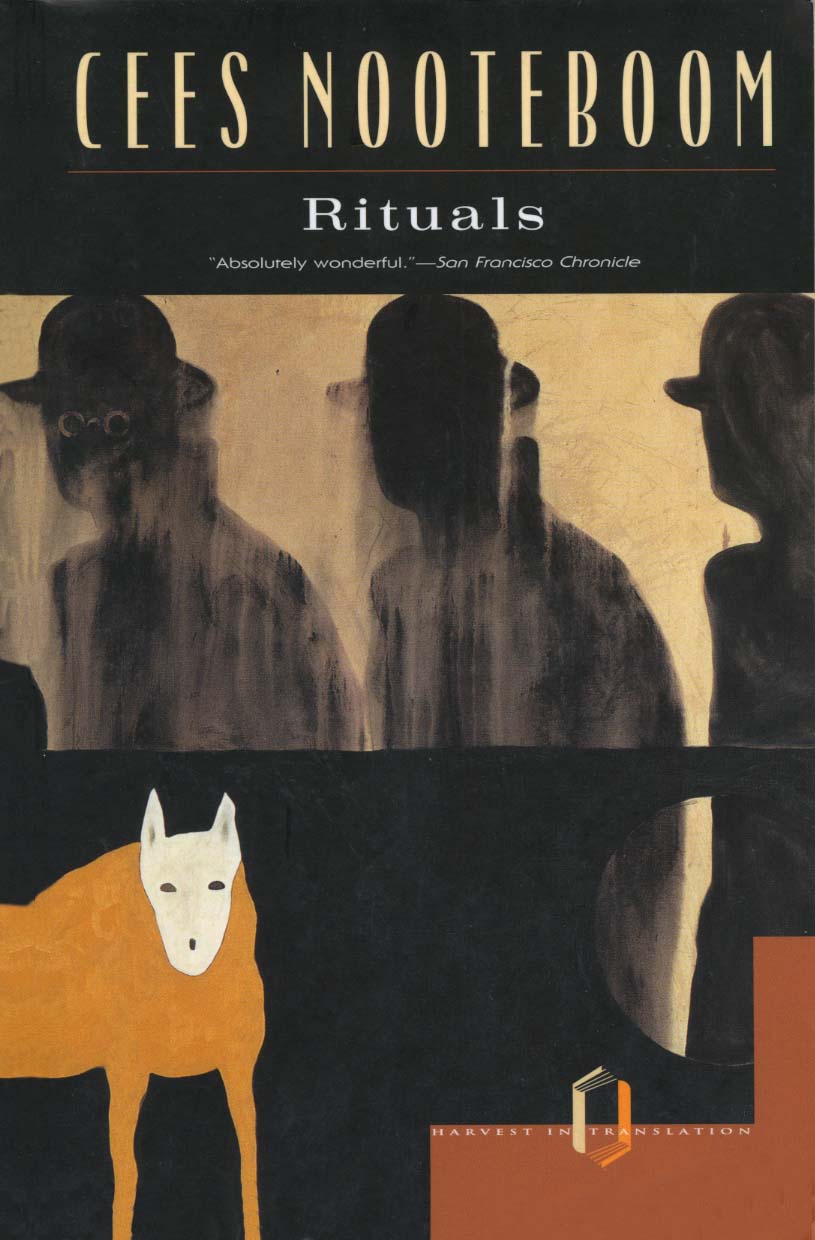
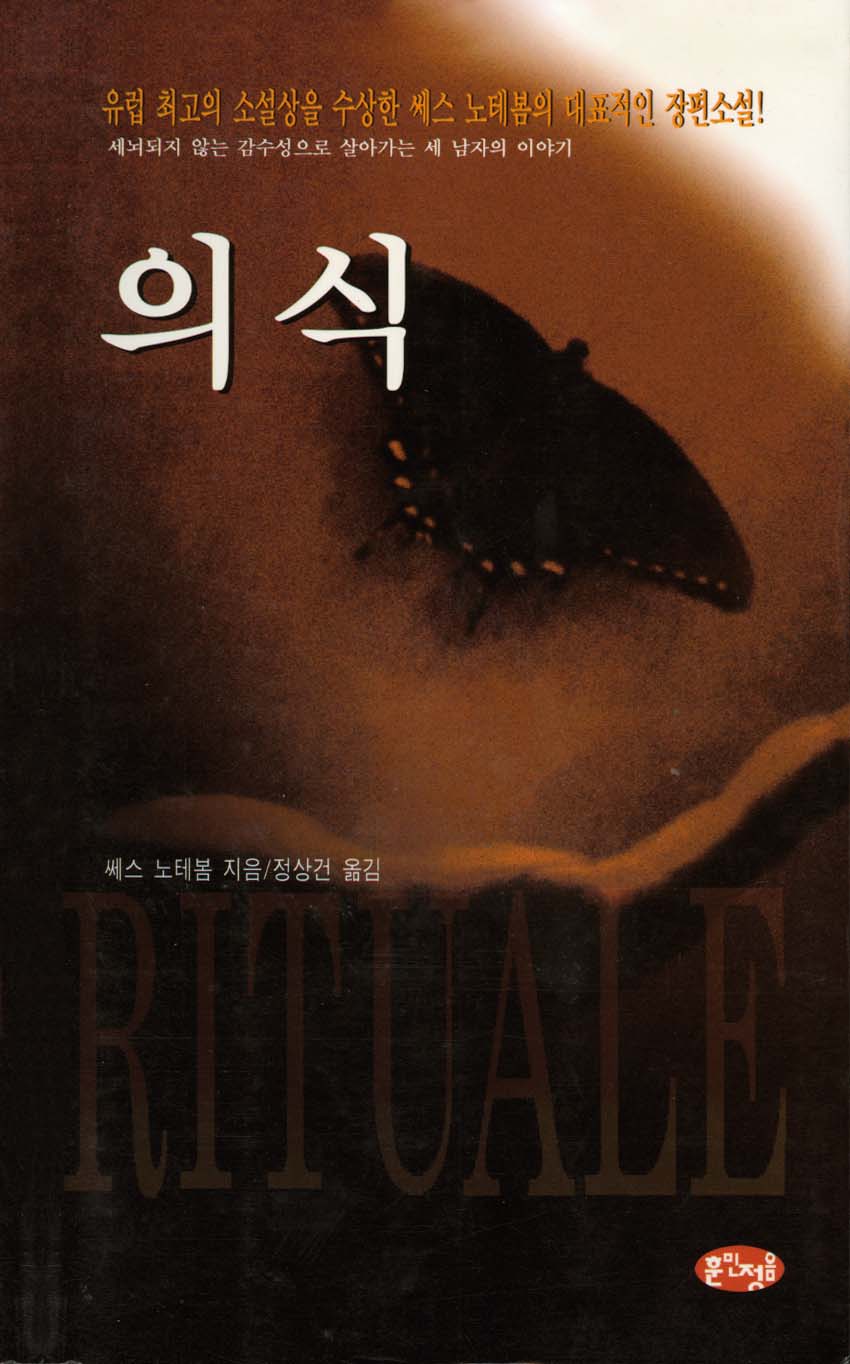
In 1980, Cees Nooteboom published his novel Rituelen (Rituals), one of the most popular and most translated books in Dutch literature. The book is a moving novel about different generations – sometimes tragic, sometimes tragicomic – based on three decades in the life of dilettante Inni Wintrop. The author himself recorded the complete novel as an audiobook in 2008. Click below to listen to the first chapter (in Dutch only).
Video
—
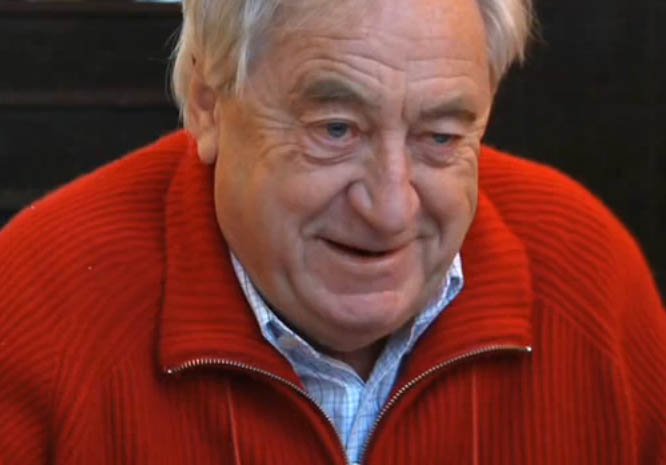
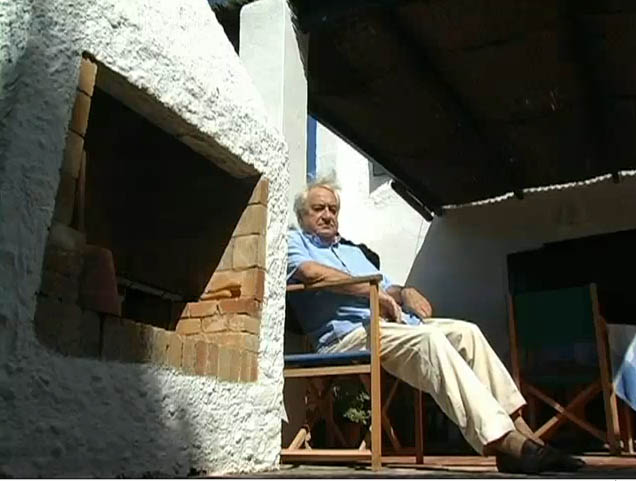
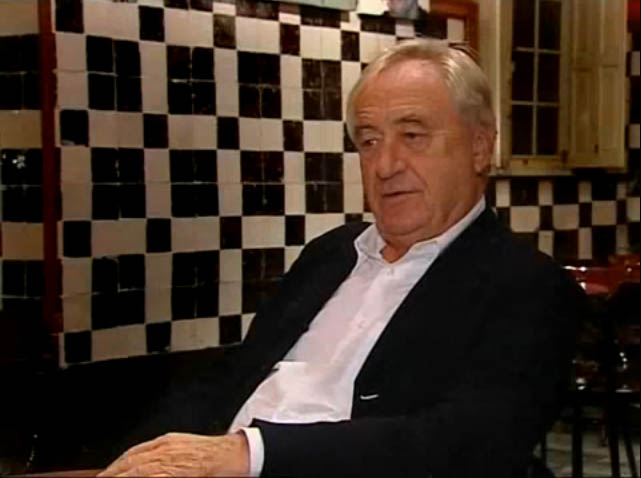
A collection of short film and video excerpts, recorded in Spain and Menorca, Norway, French-speaking Canada, at the book fair in Antwerp and the 2009 Gedichtenbal (Poetry Ball) at the Paradiso in Amsterdam.
Photographs, book covers and documents
—
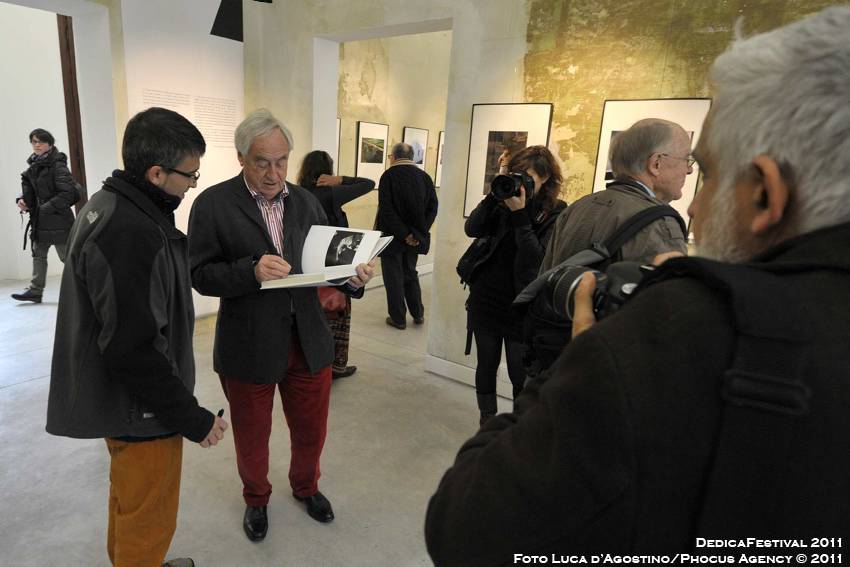
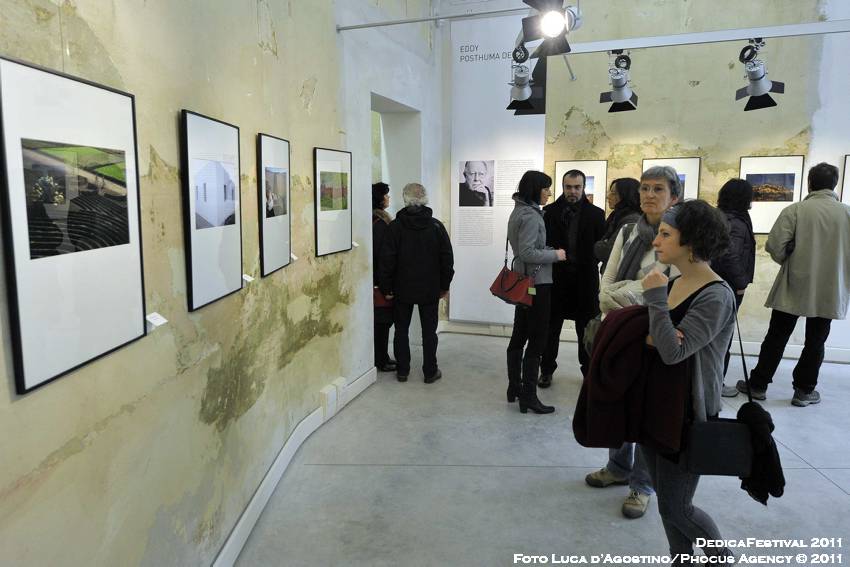
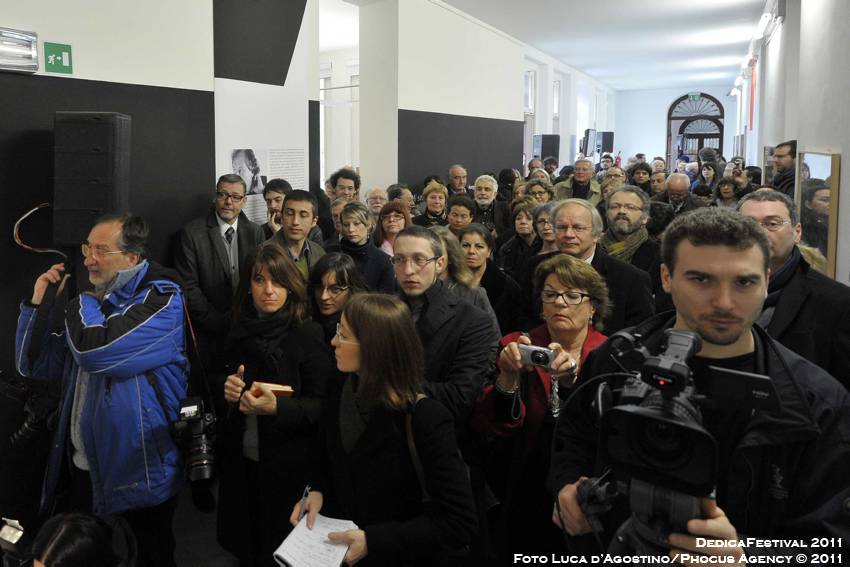
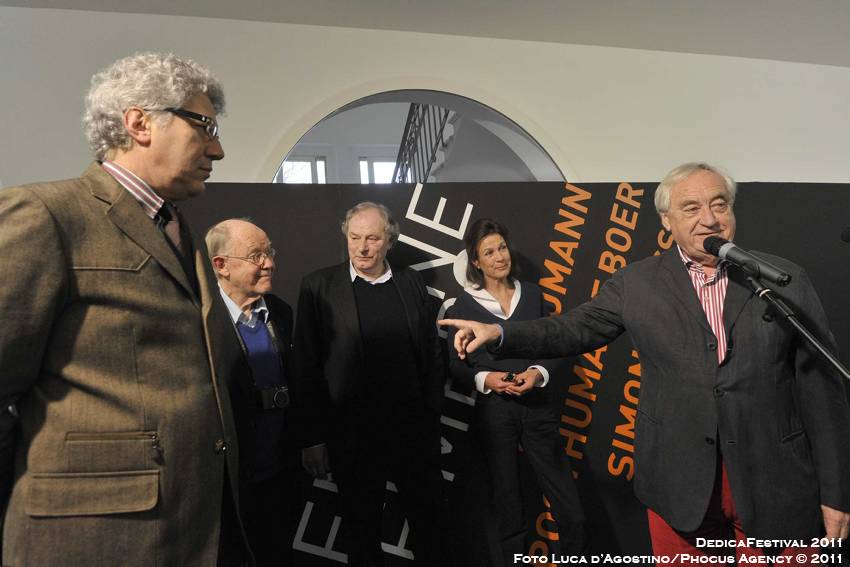
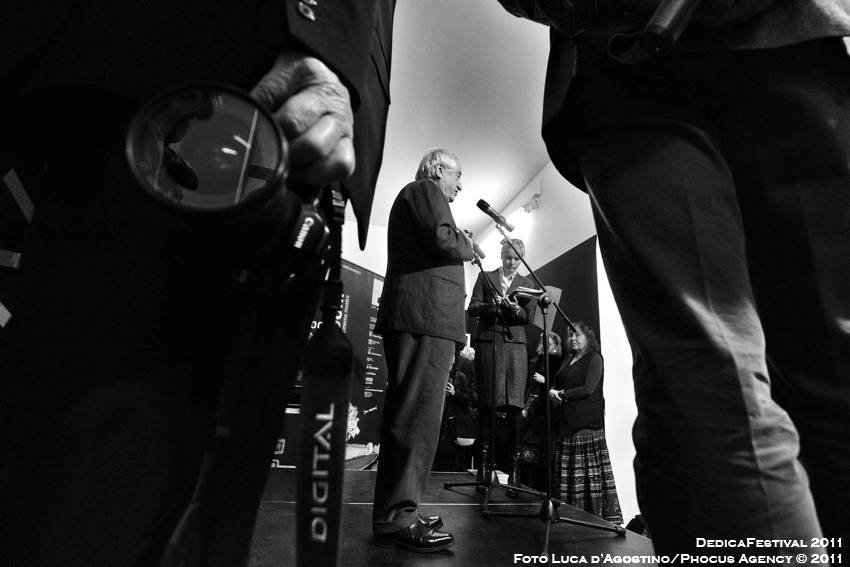
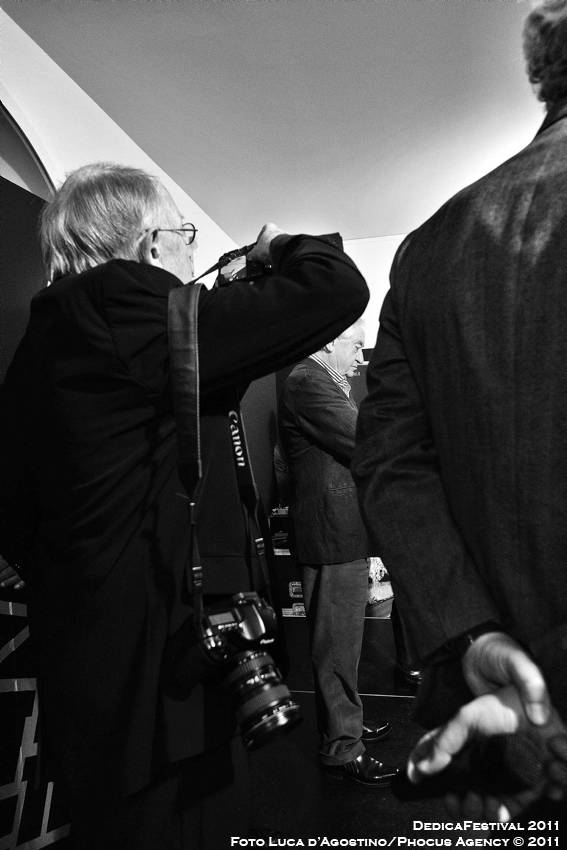
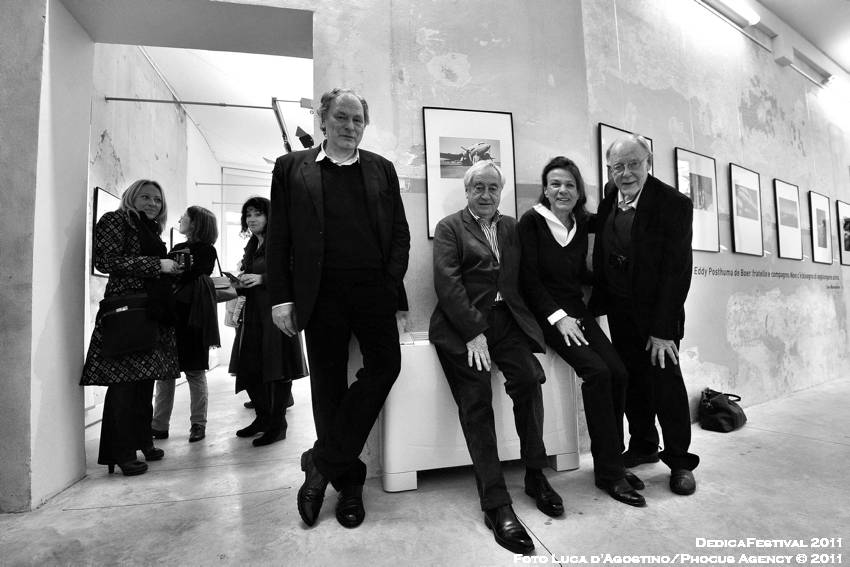
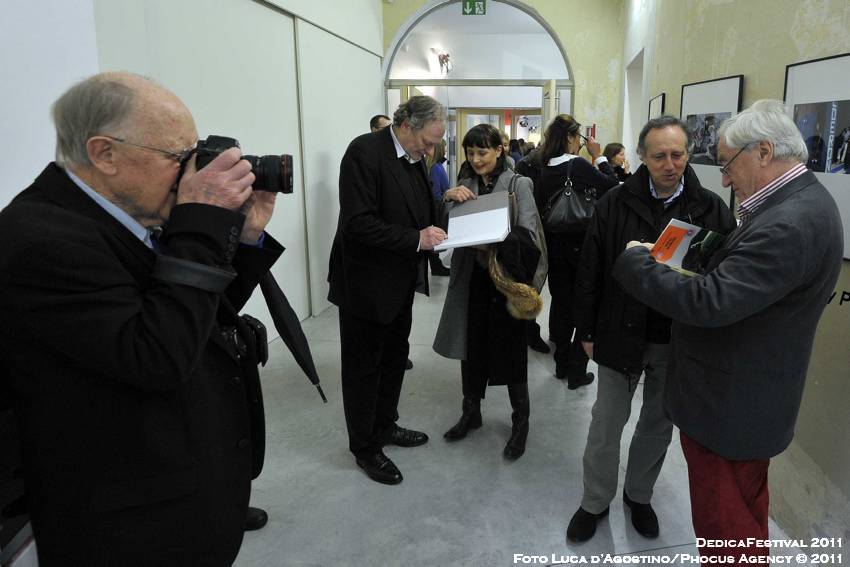
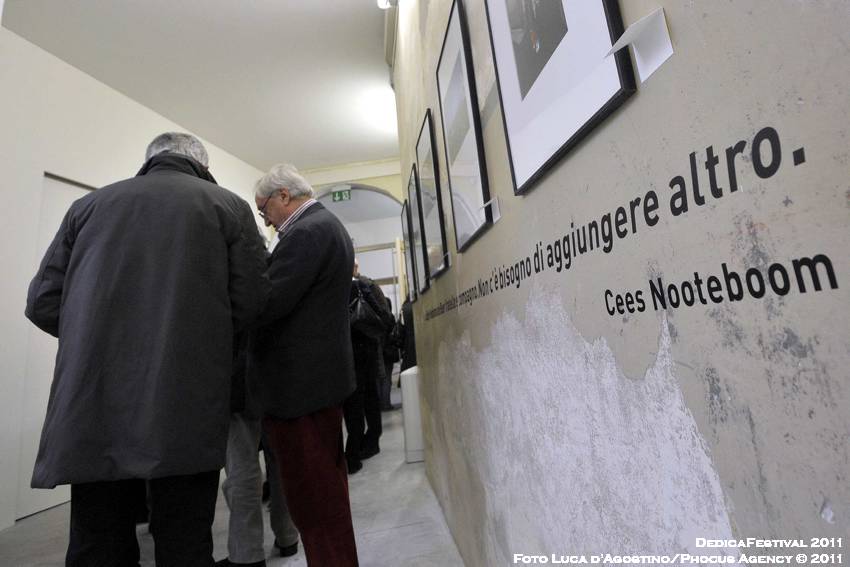
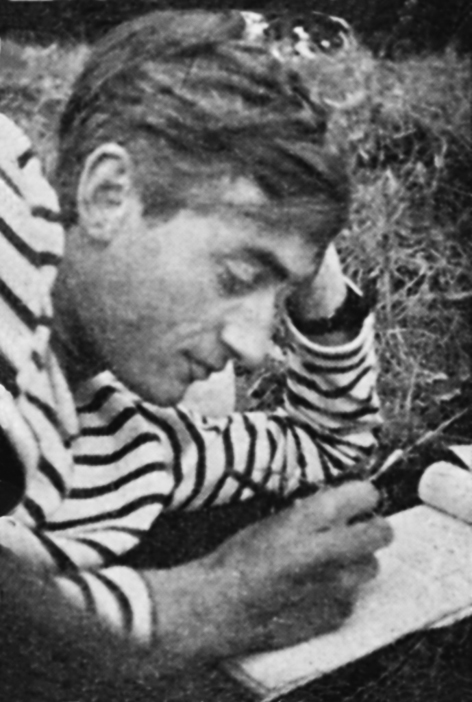
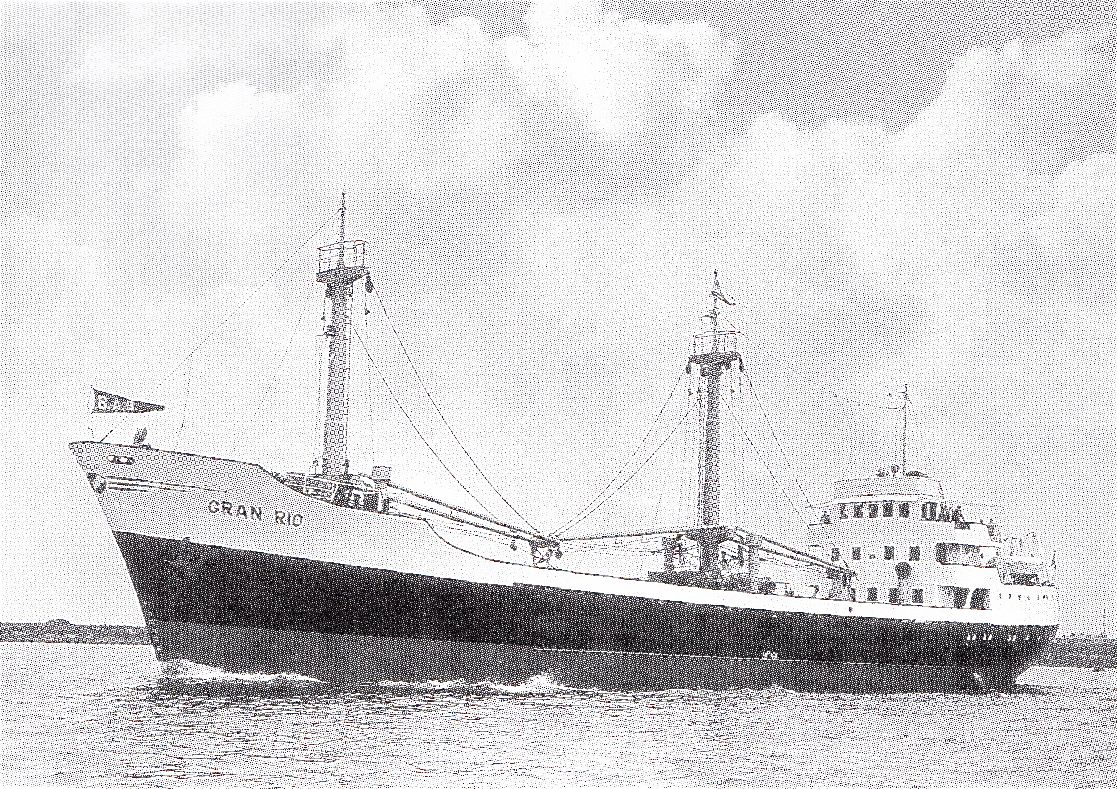
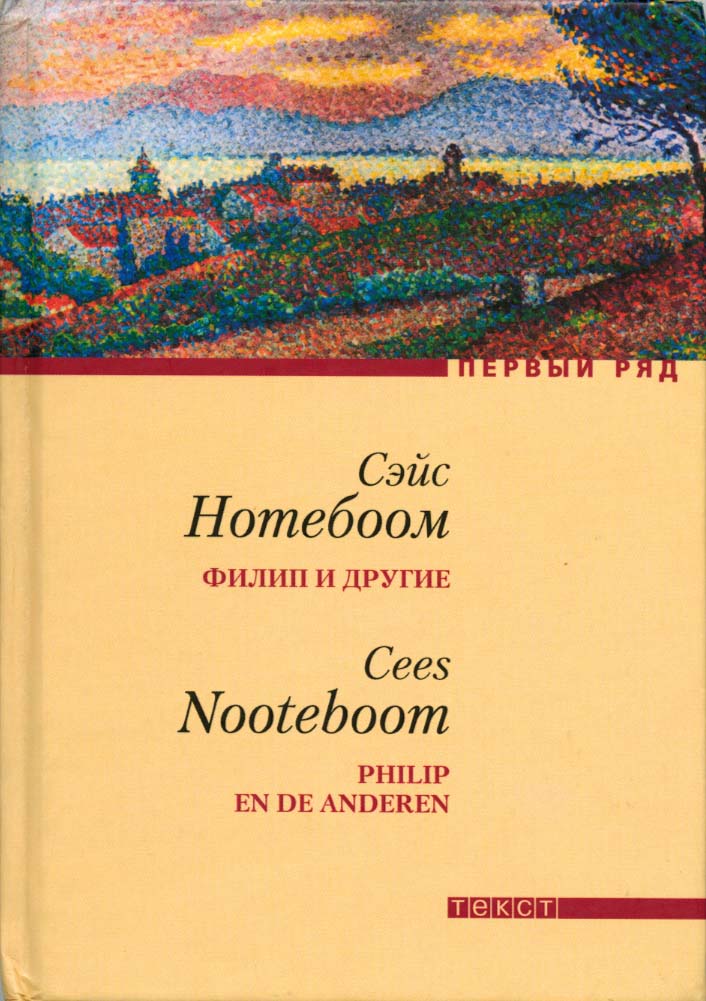
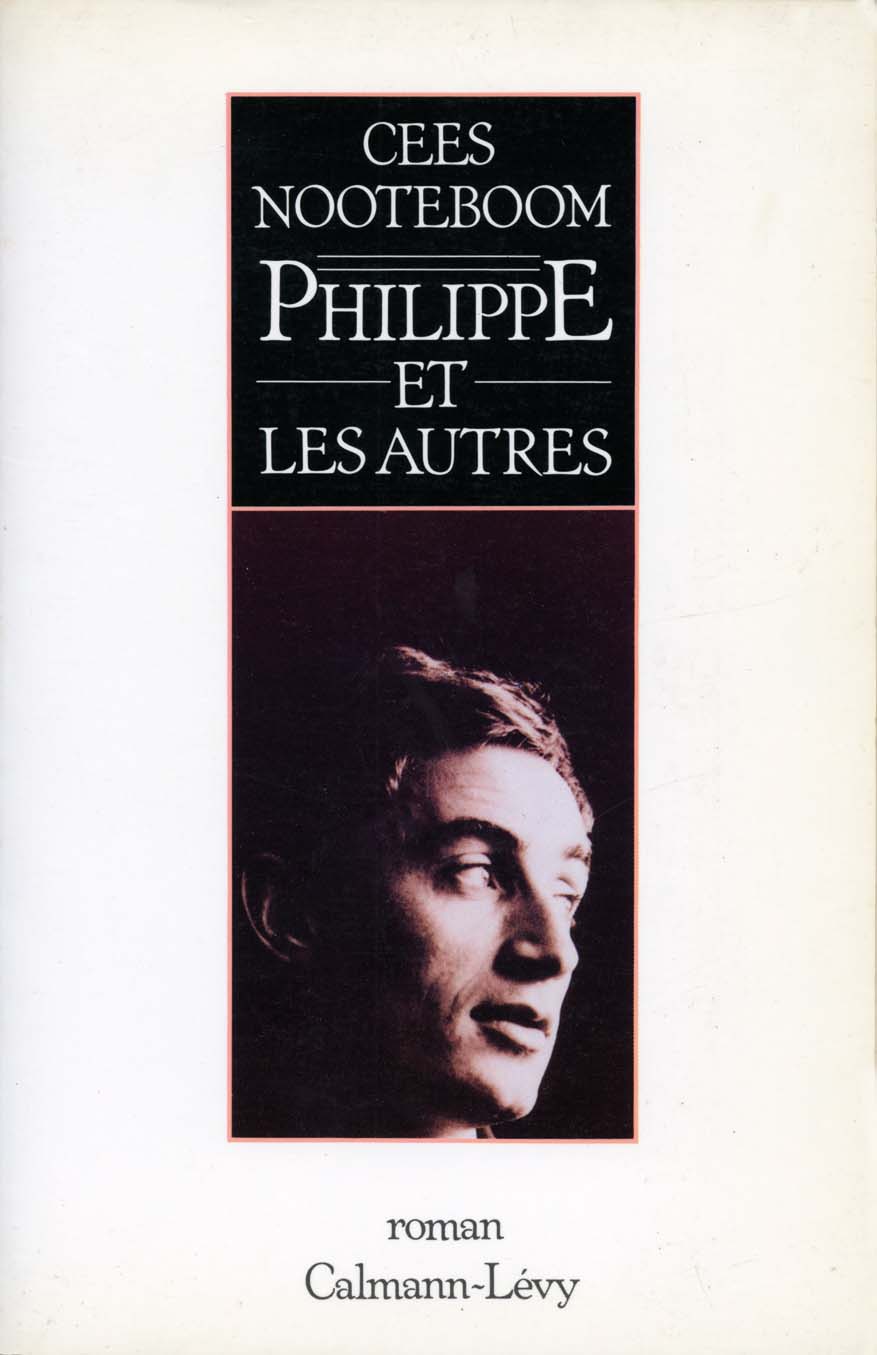
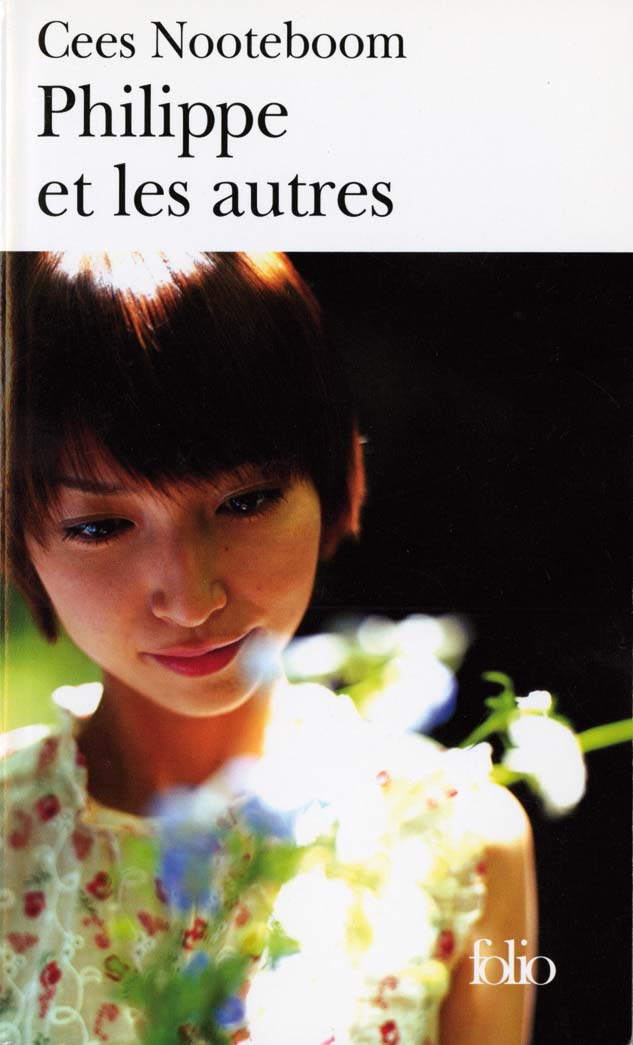
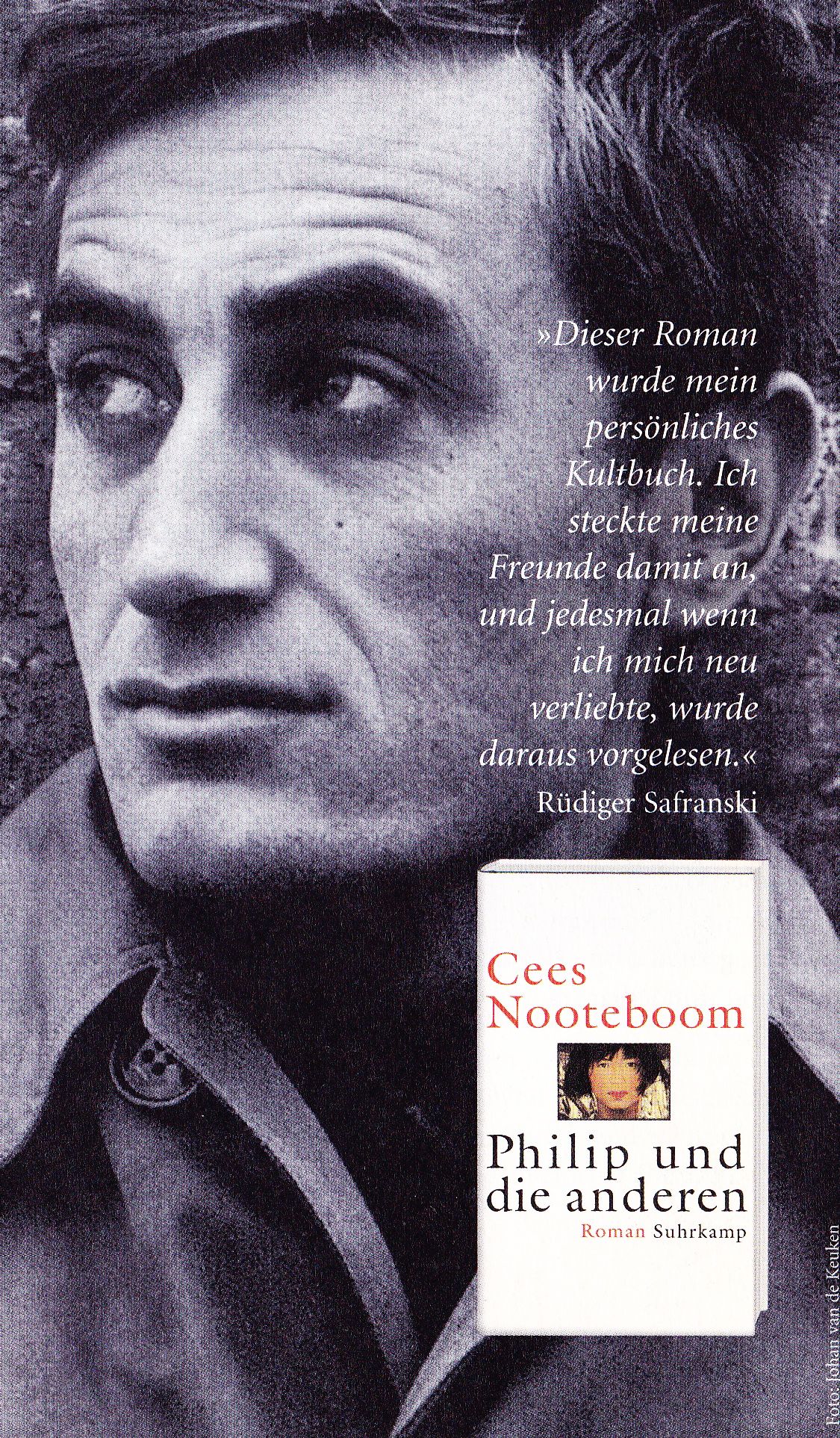
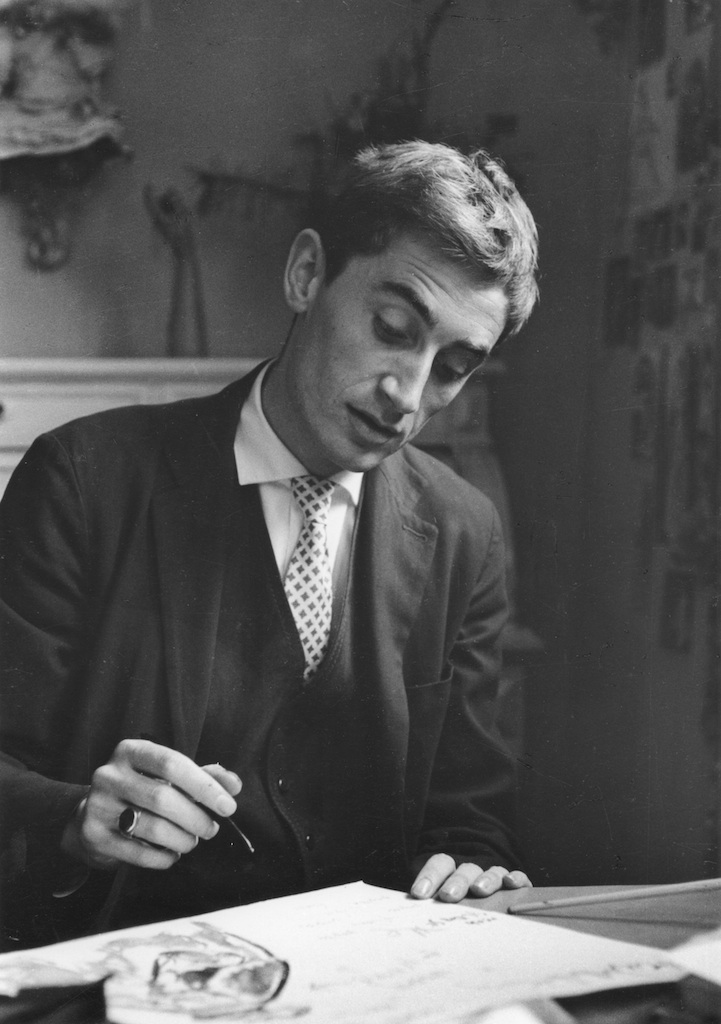
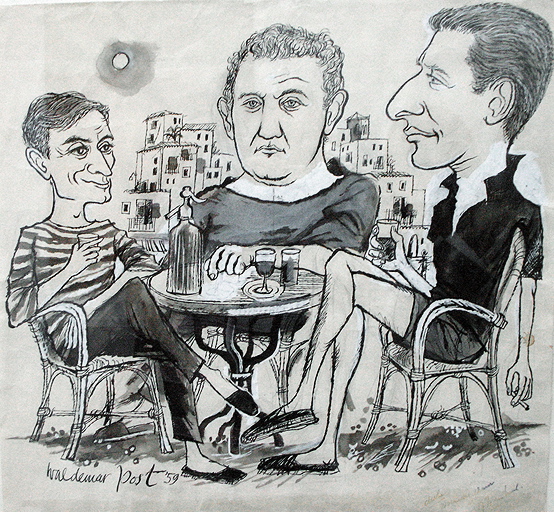
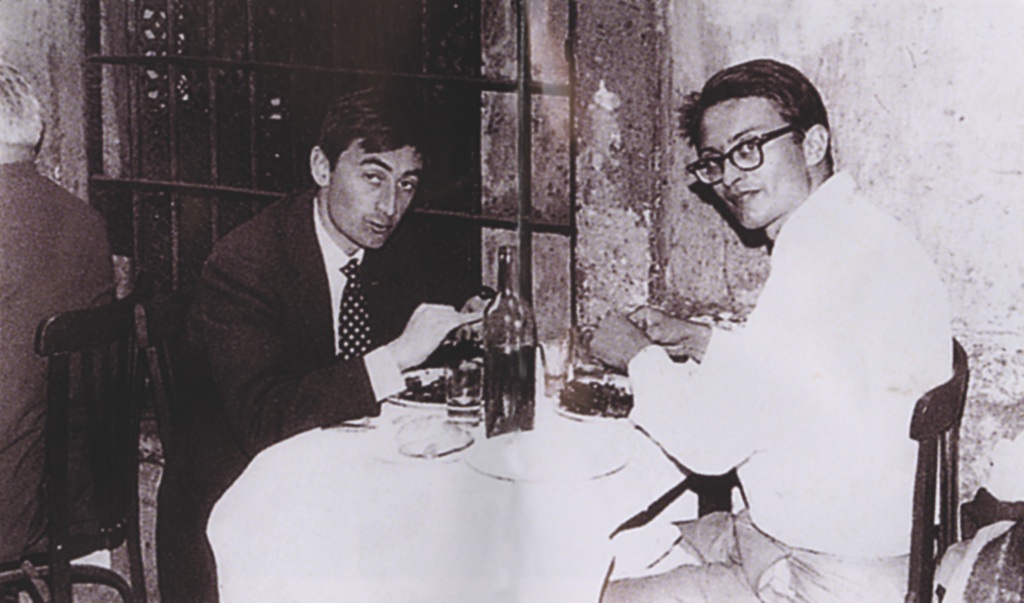
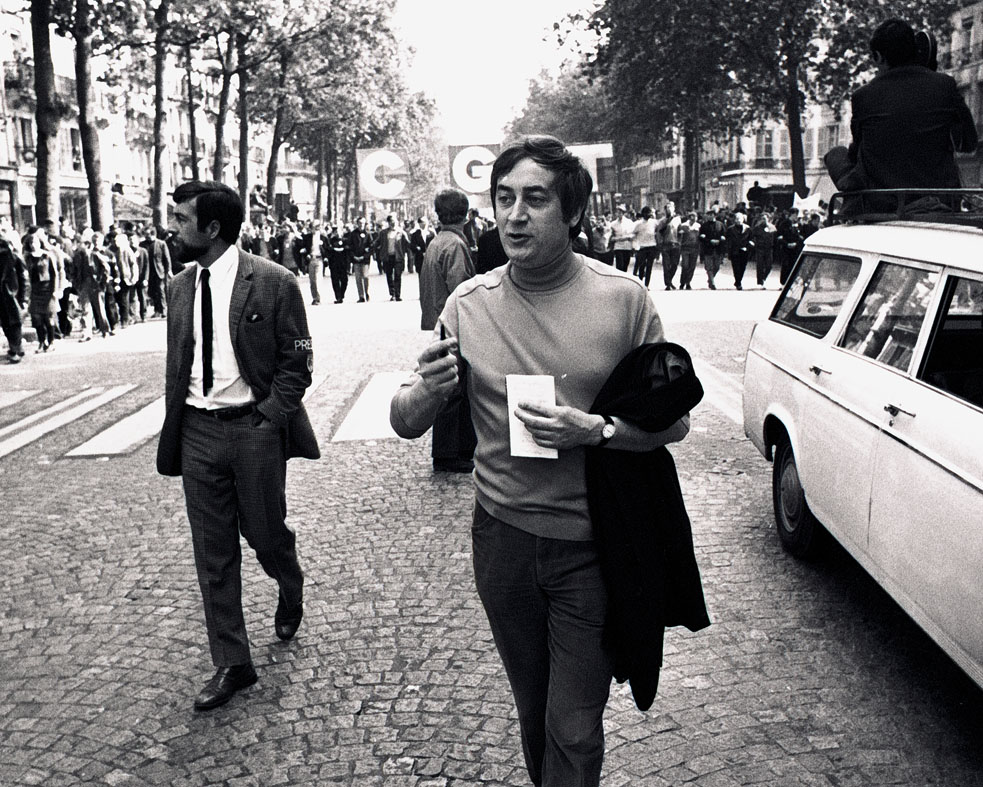
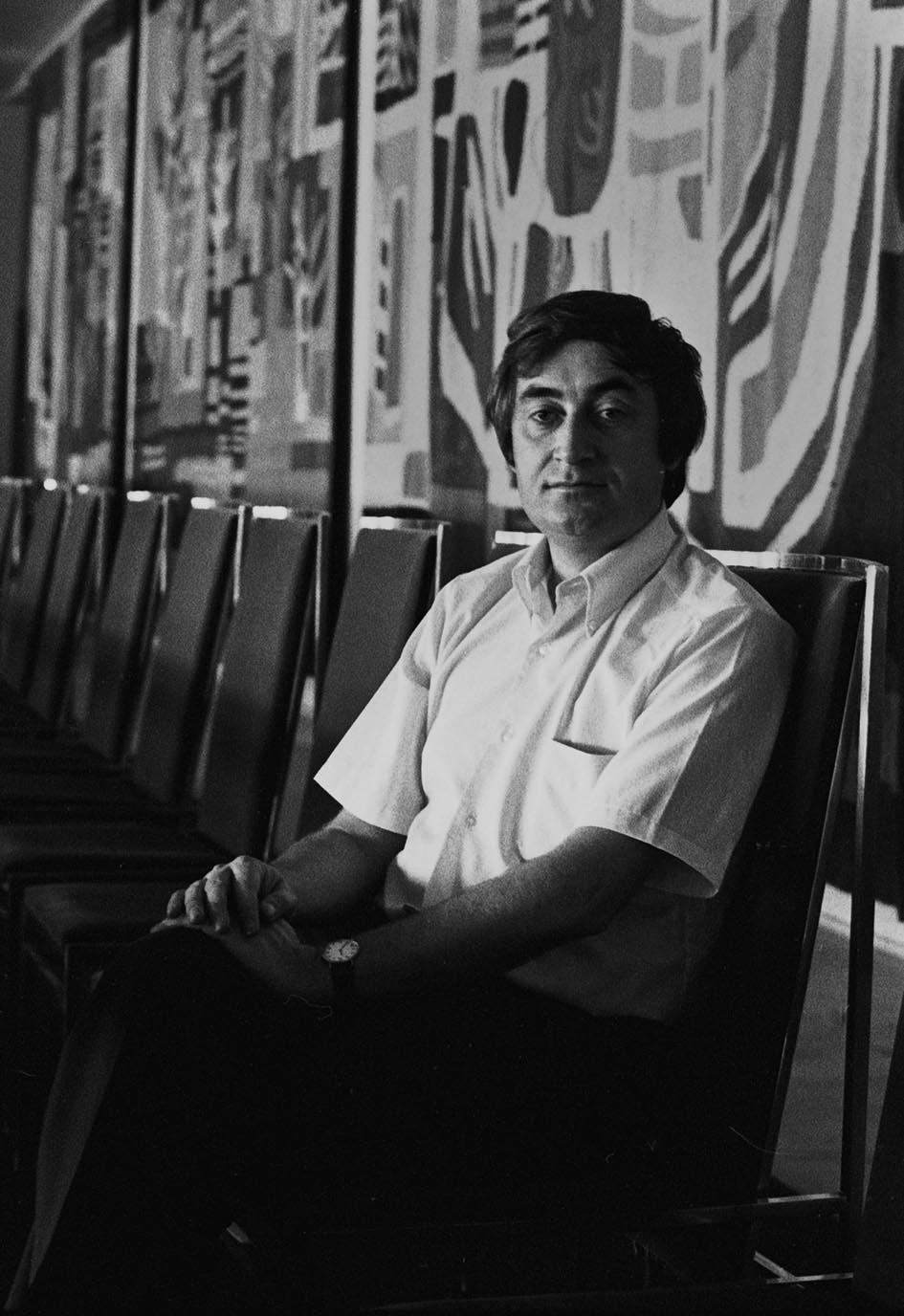
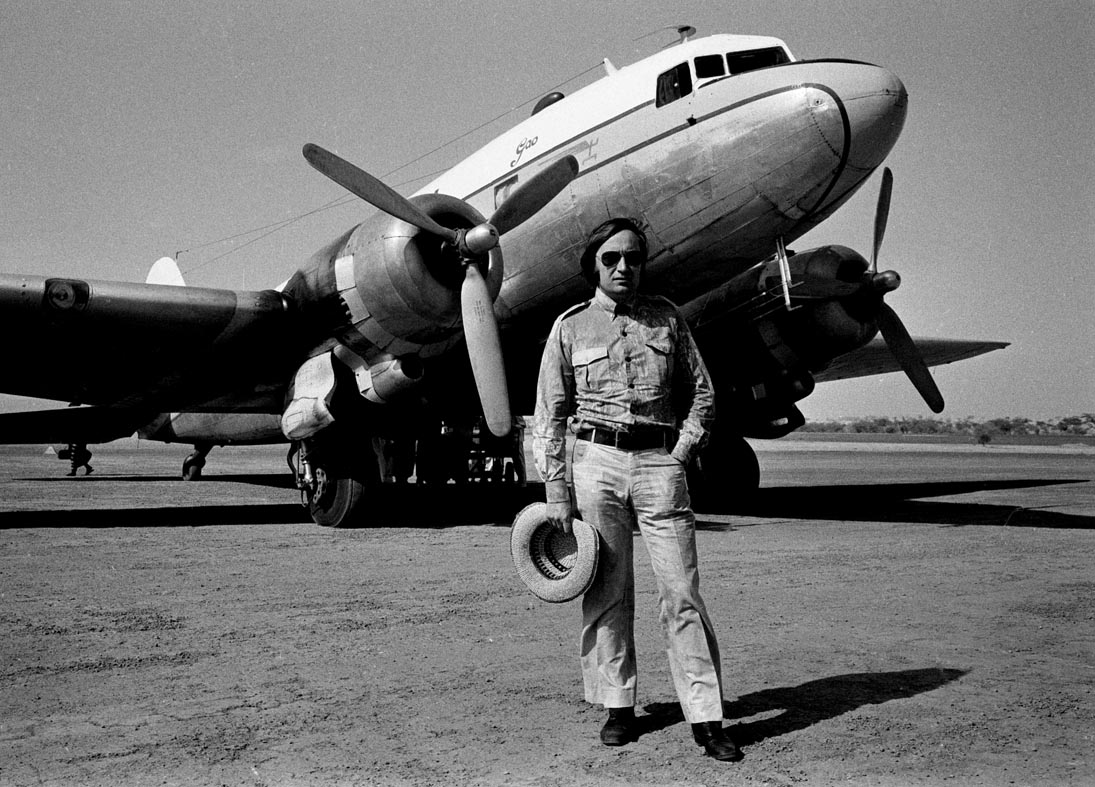
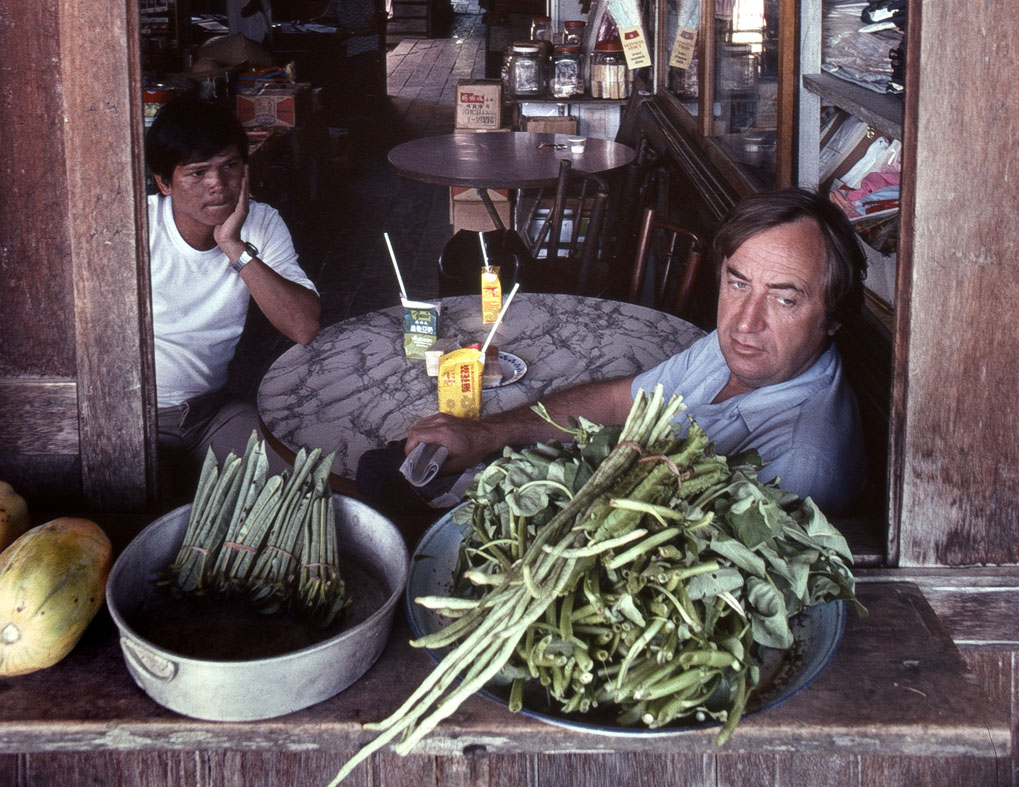
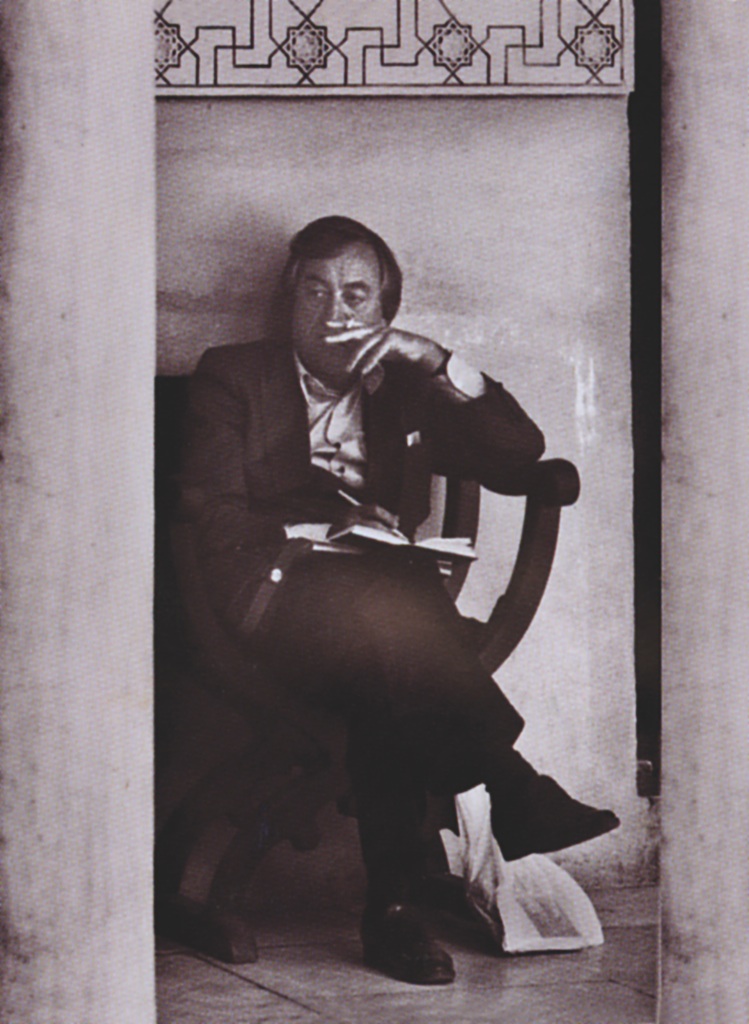
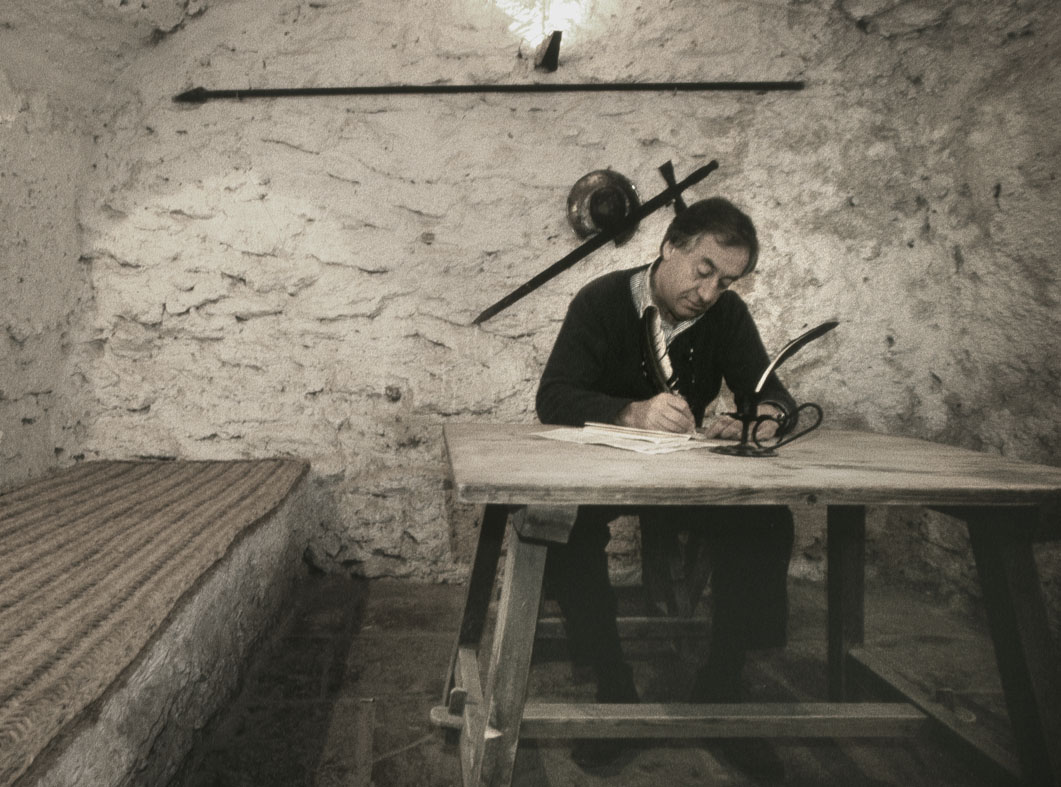
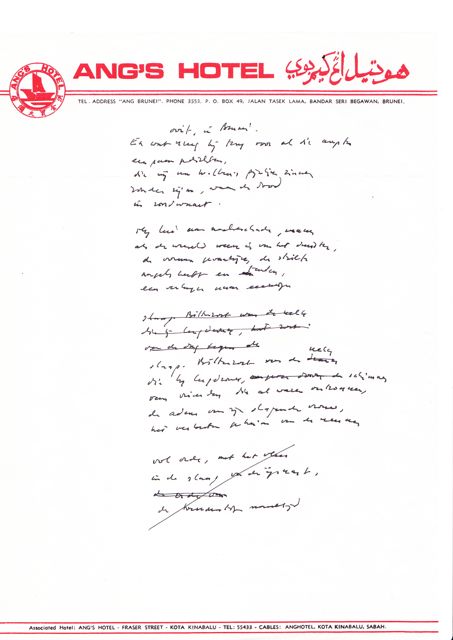
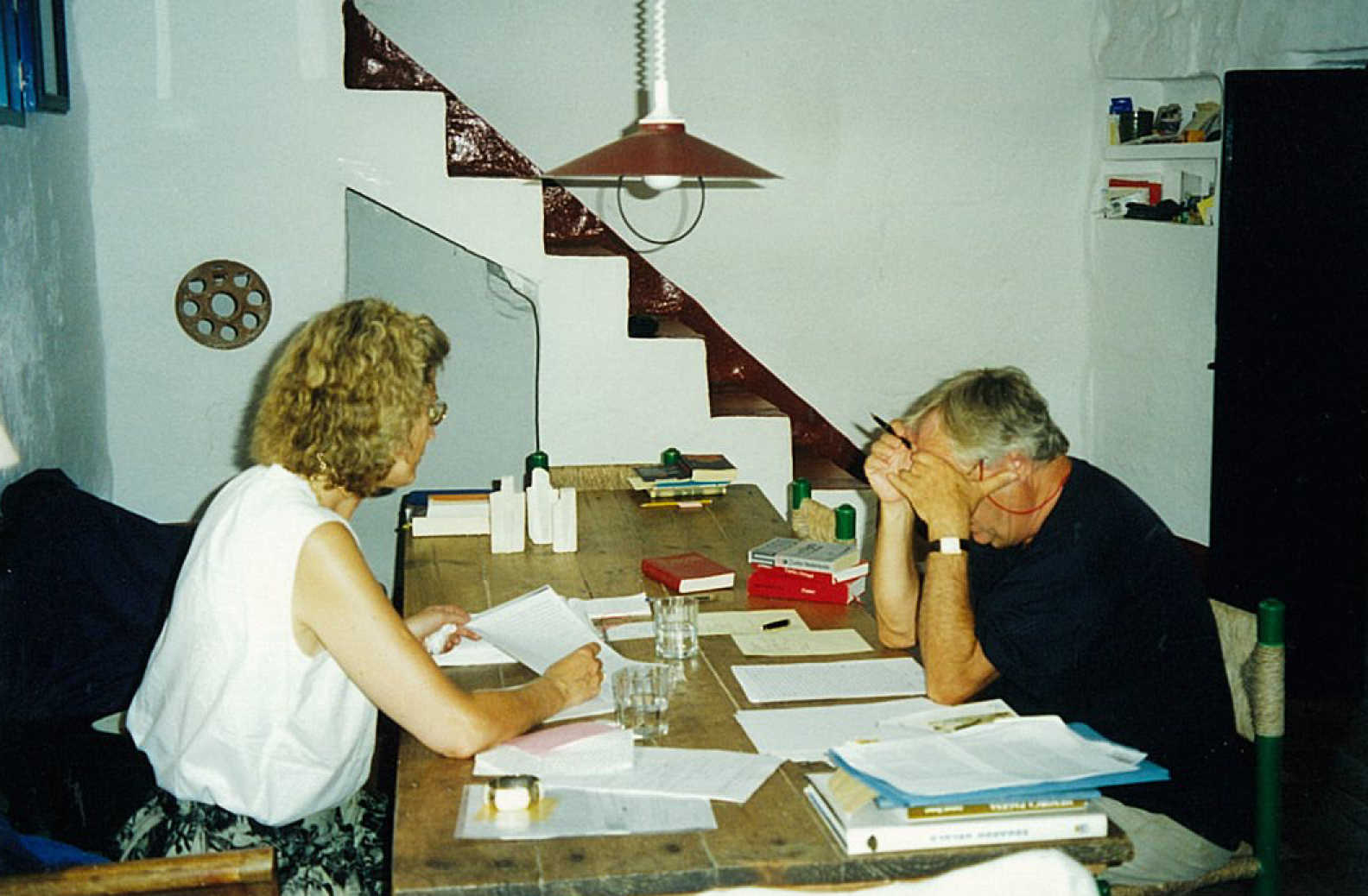
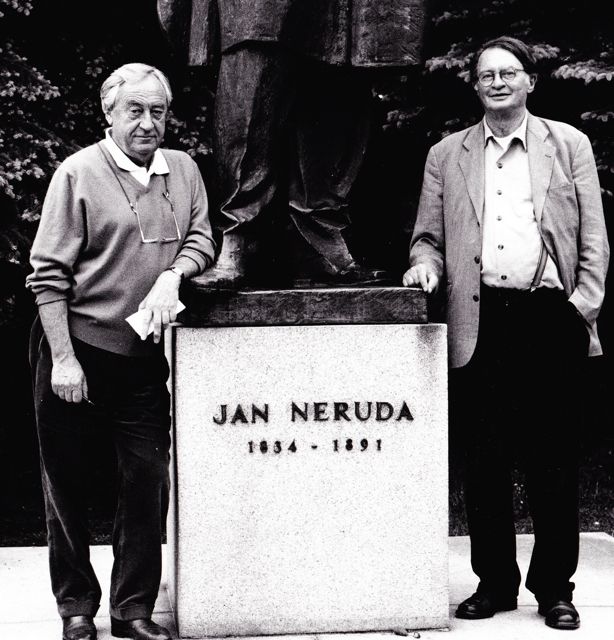
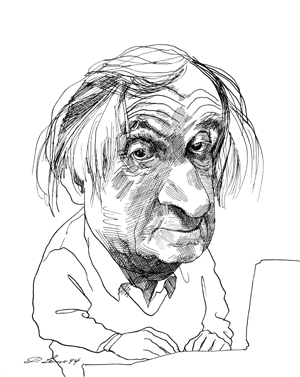
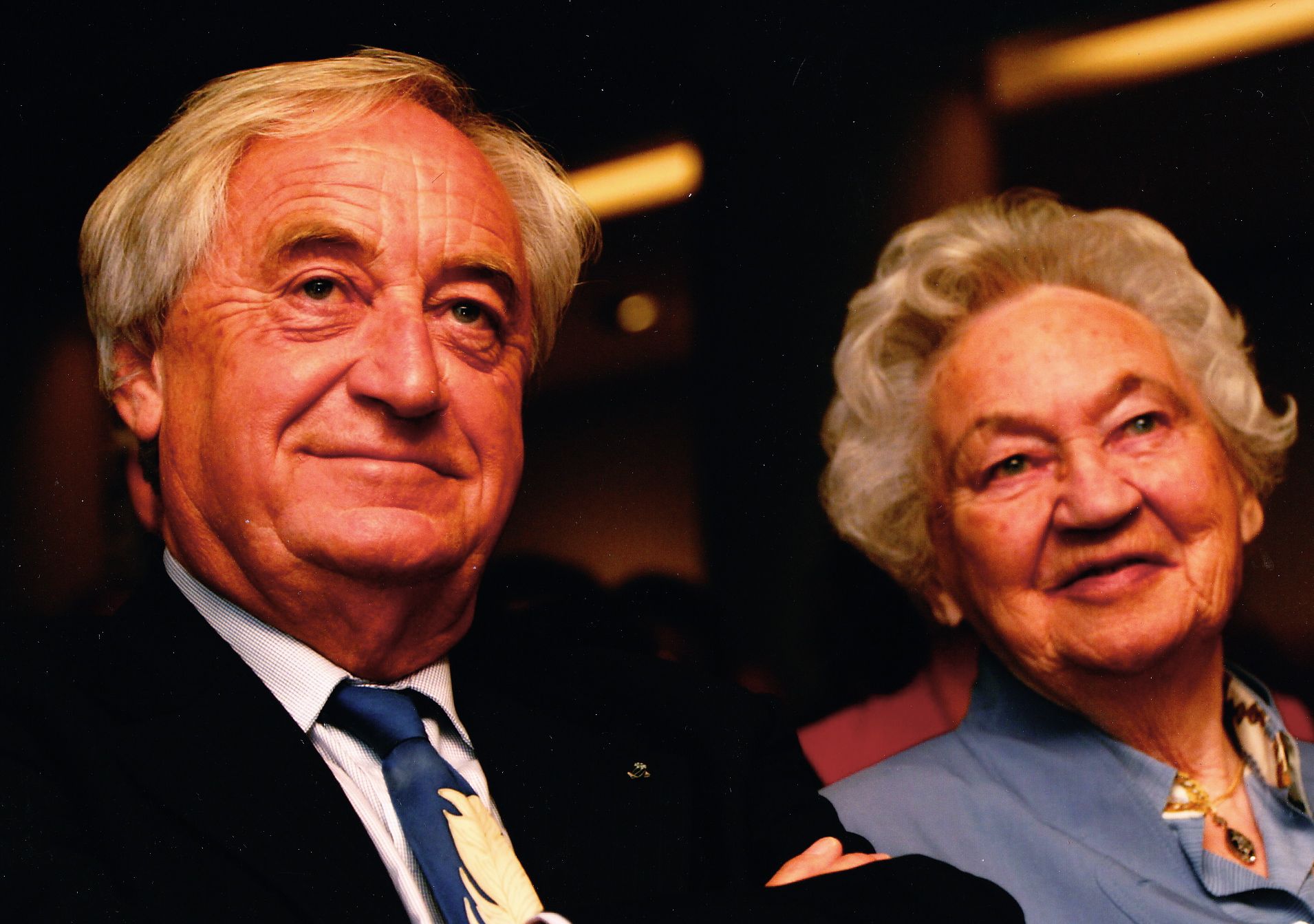
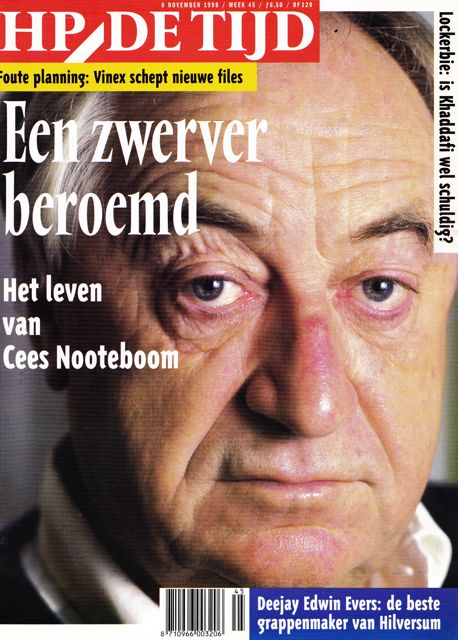
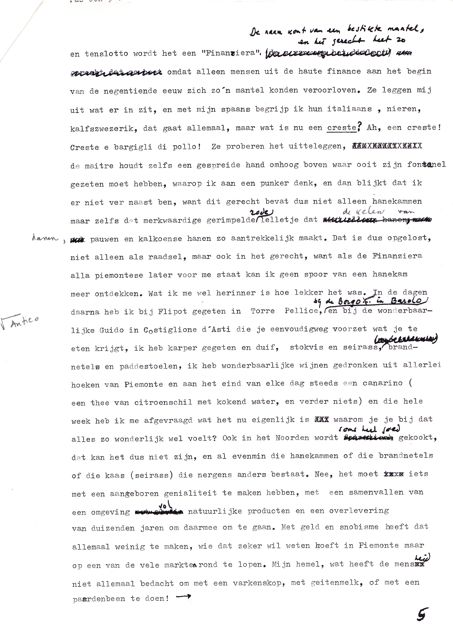
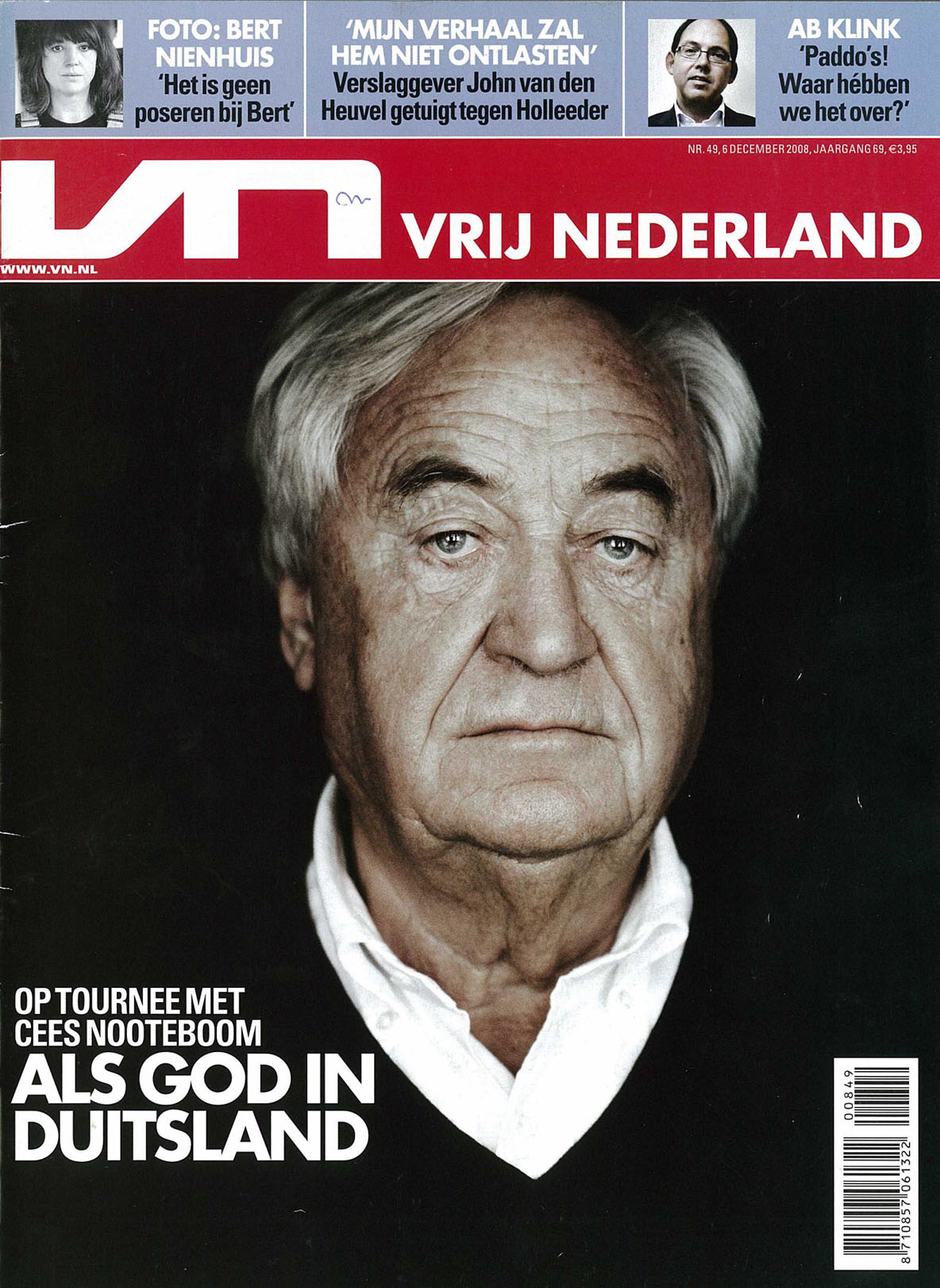
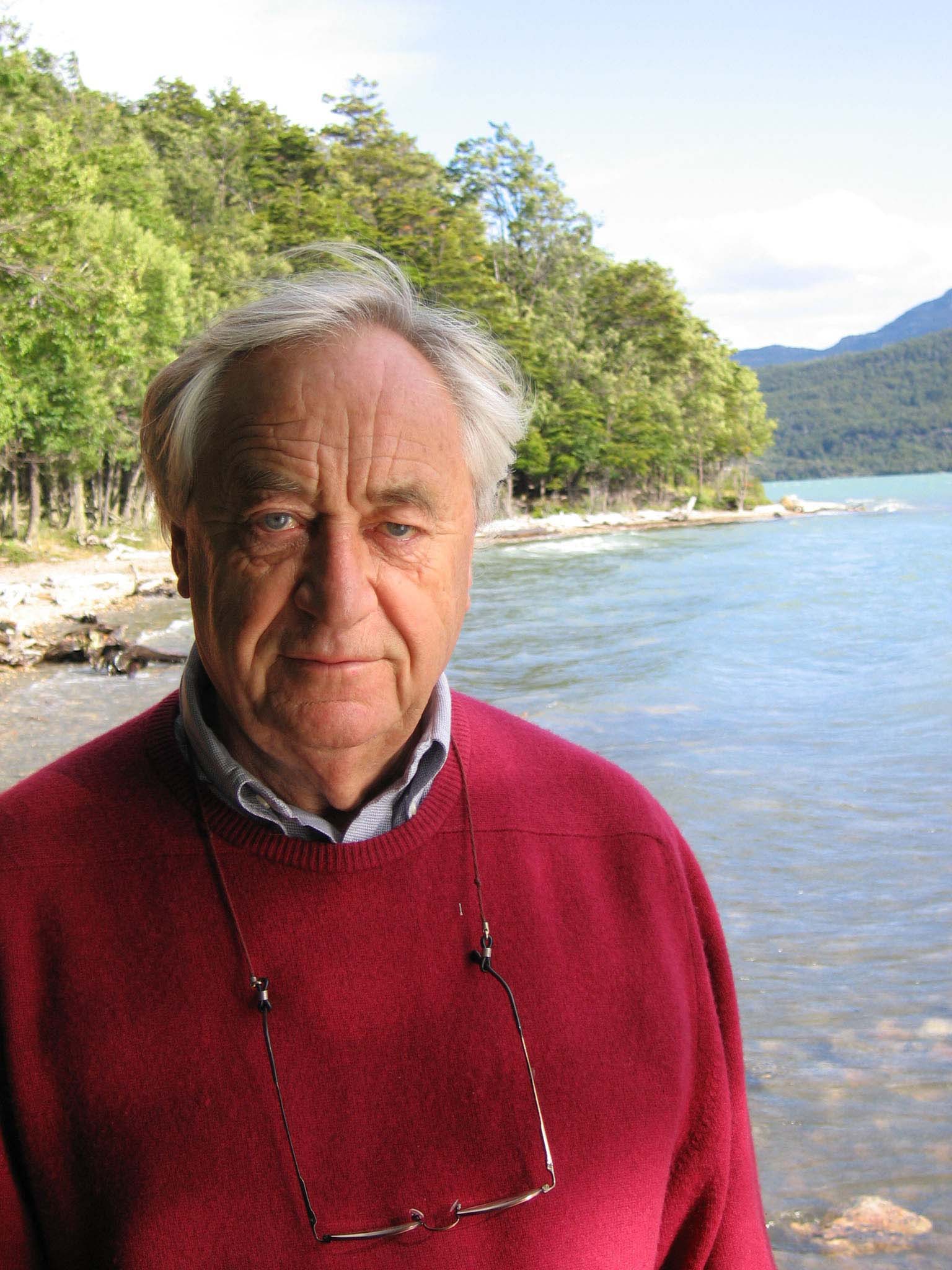
Prijs der Nederlandse Letteren for Cees Nooteboom
—
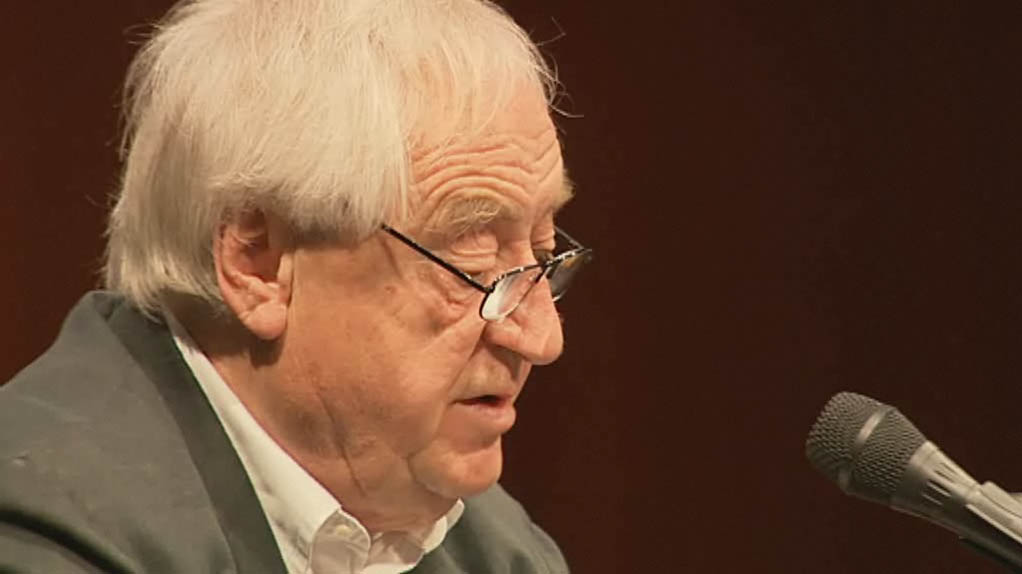
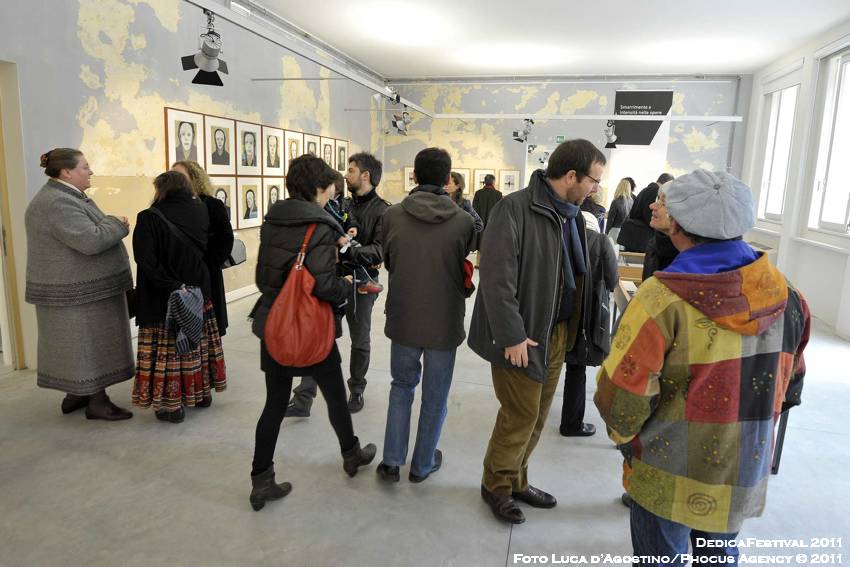
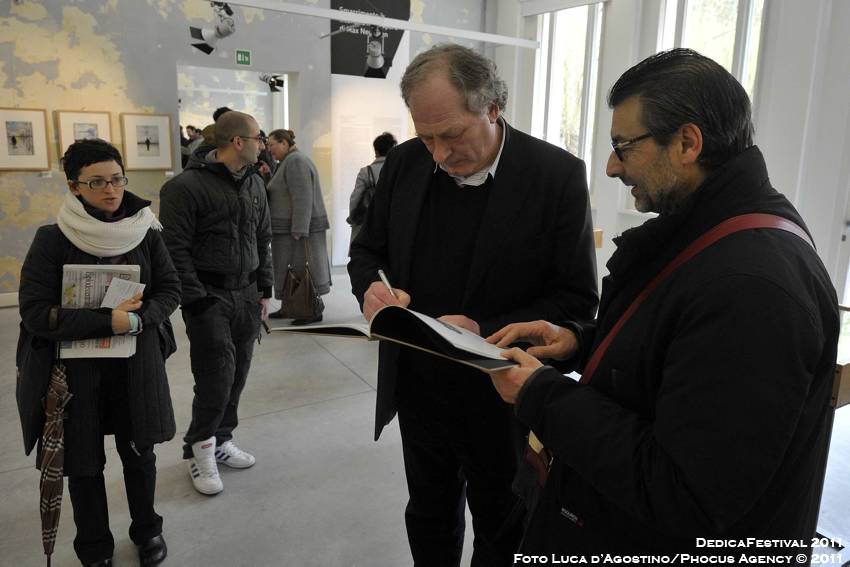
On 18 November 2009, Cees Nooteboom received the Prijs der Nederlandse Letteren (Dutch Literature Prize) from Albert II, King of the Belgians. The prize is administered by the Nederlandse Taalunie and is accompanied by a sum of € 40,000. The jury, headed by Flemish emeritus professor Anne Marie Musschoot, called Nooteboom’s oeuvre profound and philosophical. His work is also praised abroad for these same qualities. Nooteboom has many readers in German-speaking countries in particular. The jury stated that the great strength of Nooteboom’s travel stories, and also his novels, is that they respect history, but are never purely realistic.
Two new publications
—
Two new books by Cees Nooteboom came out in November: Berlijn 1989-2009 , a new and substantially expanded edition of his book about the fall of the Berlin Wall and Het raadsel van het licht, a personal voyage of discovery through the visual arts. Nooteboom has often written about Berlin. In this new edition, which features writing including Berlijnse notities (1991) and Terugkeer naar Berlijn (1997), along with a number of pieces that have not previously been anthologised, Nooteboom presents an overview of his experiences in this city in recent decades. Berlijn 1989-2009 has been published in German by Suhrkamp, in a translation by Helga van Beuningen and Rosemarie Still.
A Visit to the Pope
—
On 21 November, Pope Benedict XVI is receiving a number of writers and artists from different countries, including Dutch authors Cees Nooteboom and Kader Abdolah. In August, the president of the Pontifical Council for Culture, Archbishop Gianfranco Ravasi, announced that a meeting between Pope Benedict XVI and a large number of modern artists would take place. He announced that this meeting is intended to promote dialogue with the aim of healing the rift that has developed between the Church and modern art. An overview of Nooteboom’s titles that have been translated into Italian is available here.
Family
—
Cees (Cornelis Johannes Jacobus Maria) Nooteboom was born on 31 July 1933 as the second child of Hubertus Nooteboom and Johanna Pessers (this surname would later feature frequently in his fiction), with an elder sister, Hanneke, born in 1932, and a younger brother, Huub, born in 1940. Nooteboom has spoken out about his early years, ‘Other people can trot out their entire childhood, complete with dates, schools and events, as though they were their own computer, but I can’t do that. Sometimes I wonder whether I was ever really there.’ Yet vivid memories often feature in his work: the march of the invading Germans and the bombing of the airfield at Ypenburg, which he watched with his father from the balcony of the family home. His father left the family during the war and remarried in 1944. A son from this second marriage, Hugo, was born that year. Nooteboom’s father died in spring 1945 of the injuries that he suffered during the bombing of the Bezuidenhout area of The Hague. After the war, Nooteboom’s mother took the family to live in Tilburg, where she originally came from.
Schools
—
After completing his first year at the Sint Odulphus Lyceum in Tilburg, Nooteboom was sent to a Catholic boarding school, the Gymnasium Immaculatae Conceptionis in Venray, which was run by Franciscan friars. He studied at the school for two years. Then he moved to Hilversum with his mother, where he completed the fourth year of senior school at the Roman Catholic Lyceum voor het Gooi. His stepfather then sent him to another priory school: the Augustinianum in Eindhoven. Nooteboom owes his often expressed love of reading and his studious inclination to the time spent at these religious schools. ‘I can’t imagine my life without Greek and Latin; I would have become someone else.’
Debut
—
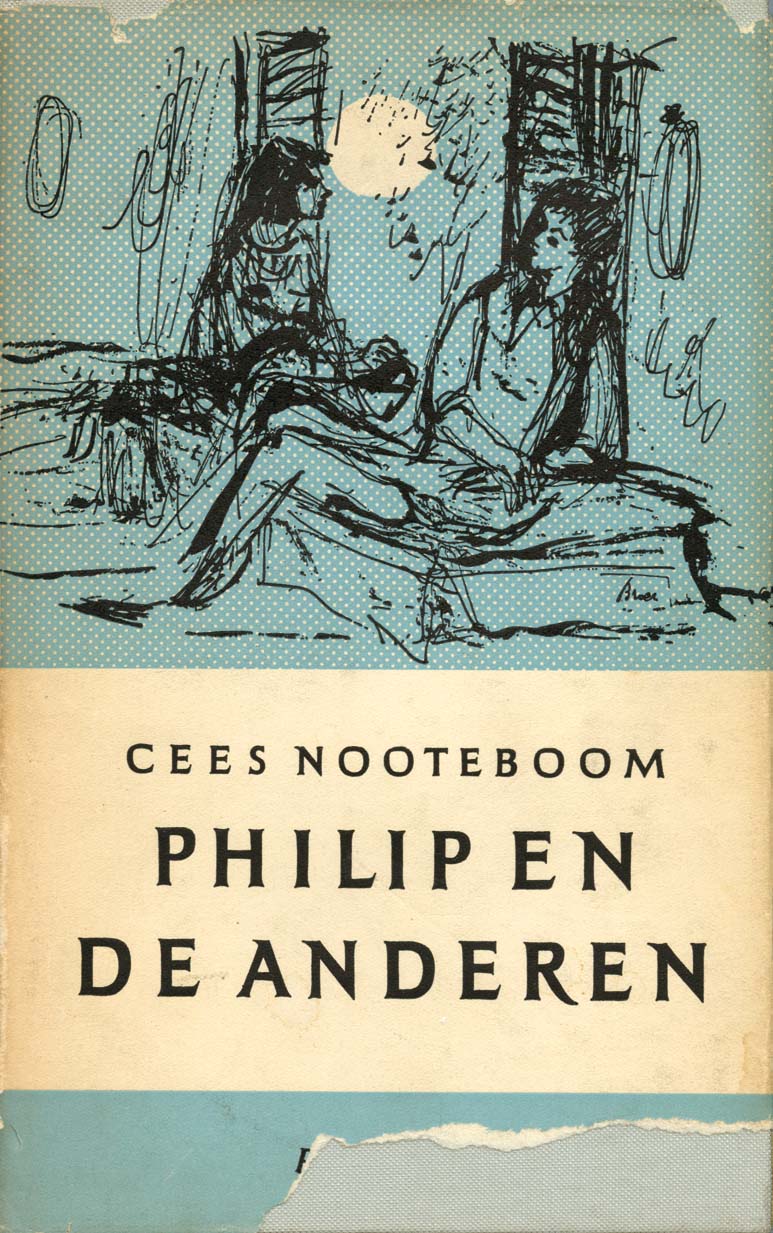
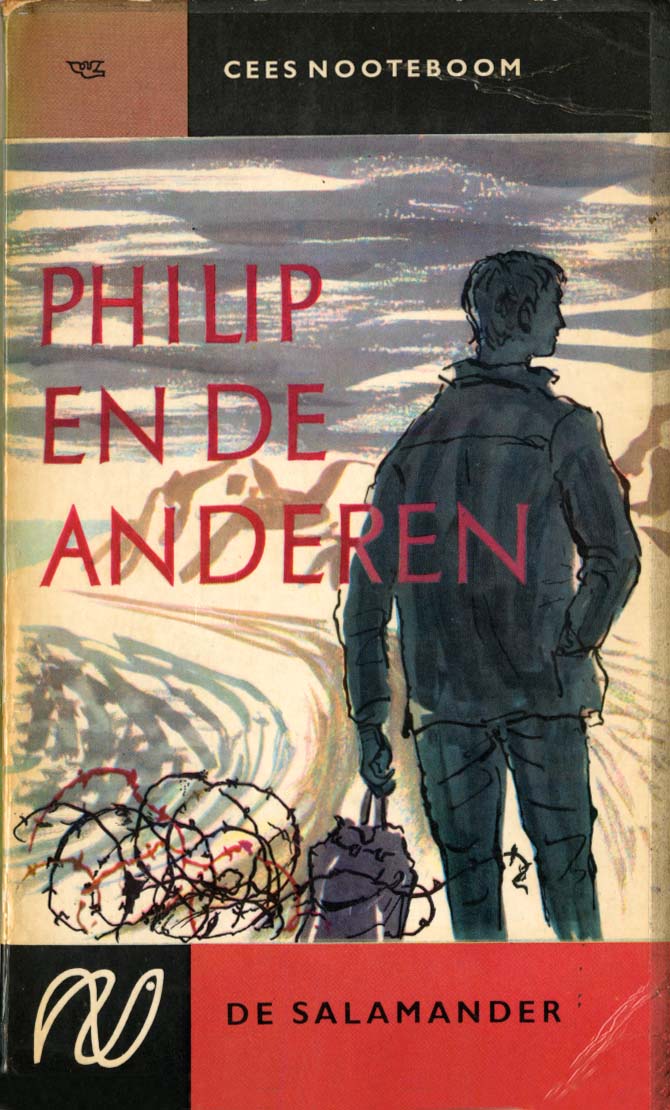
After leaving school, Nooteboom had a number of office jobs, including one at the Rotterdamsche bank in Hilversum. In the early 1950s, he went on his first major trips abroad, hitchhiking to Scandinavia and Provence. He wrote about some of his experiences in his first novel, Philip en de anderen (Philip and the Others), which has become a classic of Dutch literature, not least because of its melancholy tone. In 1954, he moved to Amsterdam, where he has lived ever since; since 1970, his home has been an early-eighteenth-century house in the old city centre. In 1956, he wrote his first major newspaper report for Het Parool, about the Russians entering Budapest. In the following years, he wrote reports and stories for Elseviers Weekblad, which were often about the Caribbean. In 1957, he married Fanny Lichtveld in New York, with Leo Vroman as one of the witnesses. The marriage was annulled in 1964.
Journalism
—
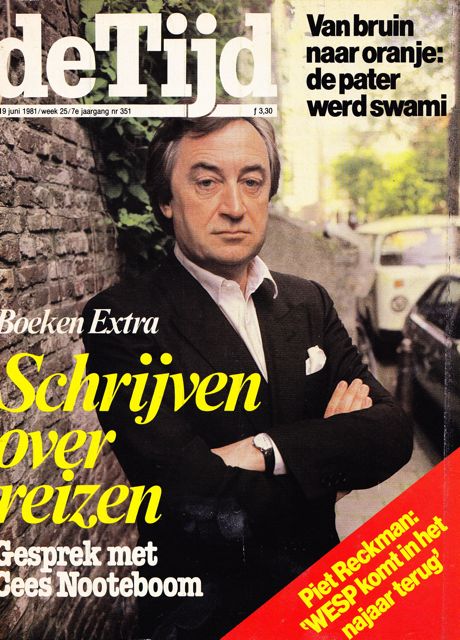
Cees Nooteboom had a regular column in de Volkskrant in the 1960s. These were impressions, and also reports, of major developments in society, with the highpoint being the May 1968 workers’ and students’ revolution in Paris. Nooteboom, who followed Philip en de anderen with a number of poetry collections and, in 1963, the novel De ridder is gestorven (The Knight Has Died), has this to say about the ‘craft’ of journalism, ‘My work had to lose its overdone lyricism. A certain connaissance du monde is required for writing. That’s why I started travelling.’ His great travel stories about regions and countries on every continent have been published since August 1968, mainly in the monthly magazine Avenue, which has also published many of his translations of poetry by internationally renowned poets. Nooteboom lived with singer Liesbeth List for a number of years, and also wrote lyrics for her. He often travels alone, but sometimes with photographer Eddy Posthuma de Boer, or his partner, photographer Simone Sassen, whom he met in 1979.
Novels
—
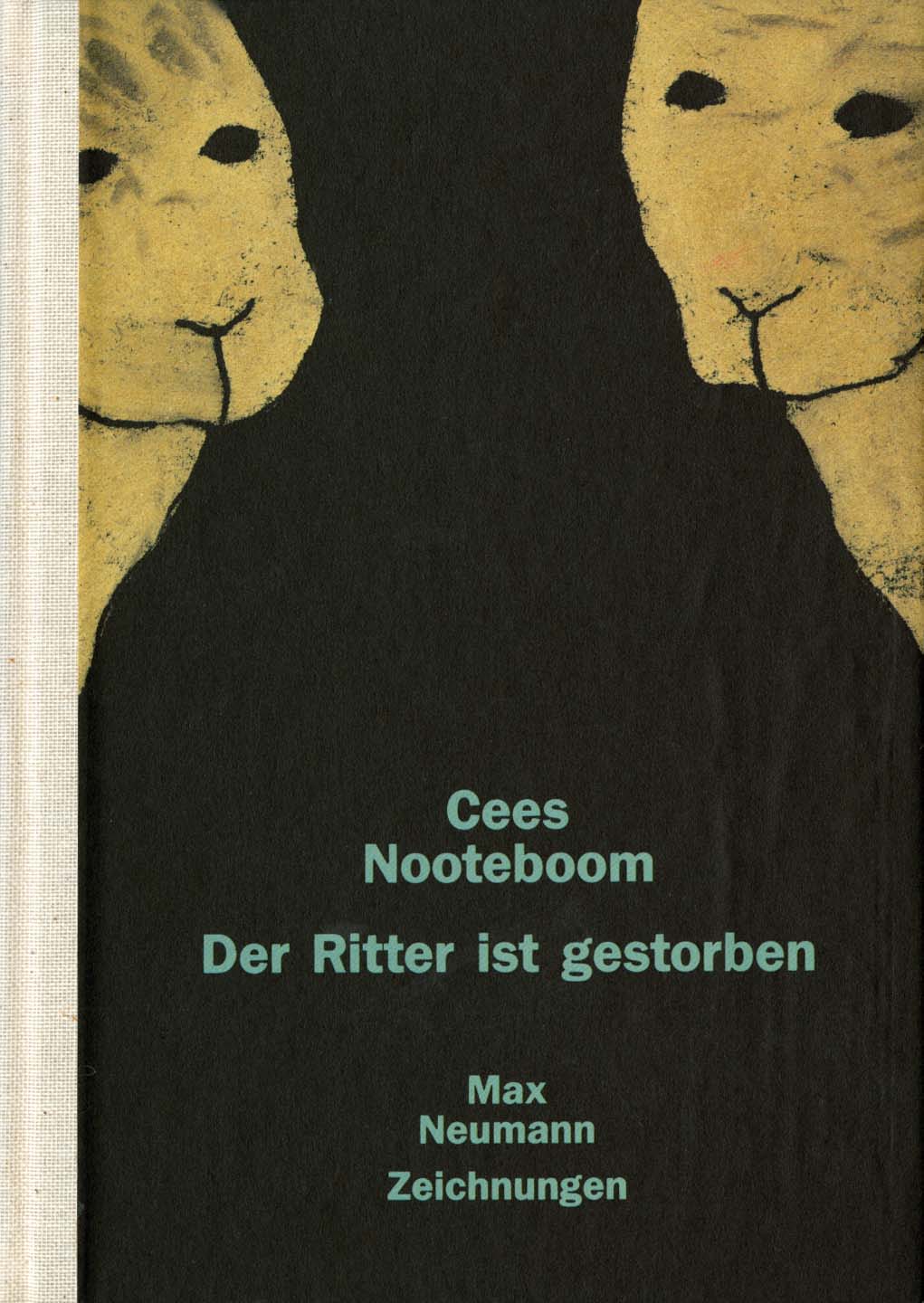
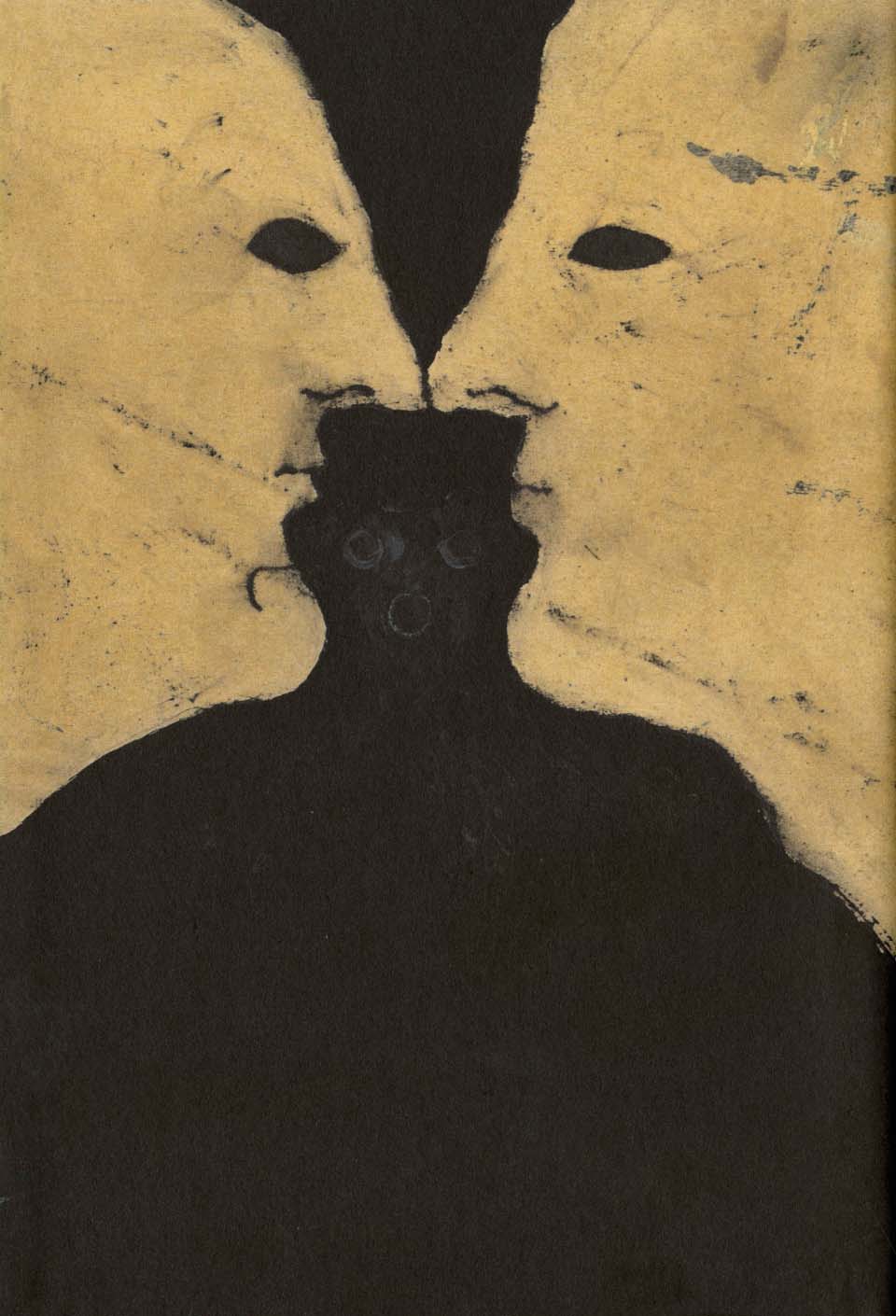
In 1980, the very successful novel Rituelen (Rituals) was published, which was later made into a film. That book, the subject of numerous studies both in the Netherlands and abroad, marked the beginning of the second phase in Cees Nooteboom’s career as a writer. He was more productive than ever: at a rapid pace, he published poems, novels, novellas and anthologies of pieces on travel and art, which had an increasingly contemplative slant. In 1987, Nooteboom taught for six months at the University of California at Berkeley, and in 1989 the German Academic Exchange Service (DAAD) invited him to live for a year in Berlin. He witnessed the fall of the Berlin Wall, writing many incisive reports on the subject, which appeared in a large number of European newspapers. In Berlin he became friends with philosopher Rüdiger Safranski, who was greatly impressed by Nooteboom’s work, and also with a number of artists, including painter Max Neumann, who later created covers for the new editions of Nooteboom’s work published by De Bezige Bij.
In 1991, his novel Het volgende verhaal (The Following Story) was published as the free gift title for Dutch Book Week. This book was a huge hit in Germany after critic Marcel Reich Ranicki praised it highly on television. Het volgende verhaal became a bestseller and Nooteboom’s other books were also received enthusiastically by German critics and readers. ‘To think you Dutch people have such a great writer!’ The following years saw the publication of translations of Nooteboom’s work in increasing numbers of countries all over the world. By this time, he was viewed as a leading European writer, partly because of the philosophical opinions he expressed about European history and the future of the continent in newspapers and magazines and at symposia. The continuing importance of Berlin and the Berlin atmosphere for Nooteboom is also apparent in his great novel Allerzielen (All Souls’ Day), published in 1998.
Recognition
—
From his earliest days as a writer, Cees Nooteboom has received numerous awards. Since the publication of Rituelen, this has included major international literary prizes, such as the European Aristeion prize for Het volgende verhaal in 1993. Not only has he received royal recognition in the Netherlands, but he has also been awarded distinctions by the French, German, Chilean and Spanish governments. As well as his time in the United States, Nooteboom has also studied in Australia, the country that forms part of the setting for his novel Paradijs verloren (Lost Paradise). Nooteboom has received honorary doctorates from the universities of Brussels, Nijmegen and Berlin.
Spain
—
In 2009, De Bezige Bij published the anniversary edition of De omweg naar Santiago (Roads to Santiago), the result of the many journeys that Nooteboom and his wife Simone Sassen have taken over the course of the years through what he has called his ‘second fatherland’. With Sassen, he also created the monumental Tumbas, penetrating portraits accompanying photographs of the graves of poets and writers. Since the1960s, Cees Nooteboom has spent the summer and early autumn on the Balearic island of Menorca, where he has created novels, such as Allerzielen, and collections of poetry such as Zo kon het zijn. Reflections on his Menorcan house and garden and the residents of the island appeared in the collection Rode regen. In spring 2009, De Bezige Bij published the impressive short-story collection ’s Nachts komen de vossen, for which the island often forms the backdrop.
Prijs der Nederlandse Letteren
—
Following the Constantijn Huygens Prijs and the P.C. Hooft Prijs, two major oeuvre awards, Cees Nooteboom won the Prijs der Nederlandse Letteren, the most important literary award in the Dutch-speaking world, awarded by Albert II, the King of the Belgians, at the royal palace in Brussels on 18 November 2009.
Selected Bibliography of Original Titles
—
Philip en de anderen. Novel. Querido, Amsterdam 1955. New edition 2009 (10th ed.) with an afterword by Rüdiger Safranski, De Bezige Bij, Amsterdam.
De doden zoeken een huis. Poetry. Querido, Amsterdam 1956.
De verliefde gevangene. Stories. Querido, Amsterdam 1958.
Koude gedichten. Poetry. Querido, Amsterdam 1959.
De zwanen van de Theems. Drama. Querido, Amsterdam 1959.
Het zwarte gedicht. Poetry. Querido, Amsterdam 1960.
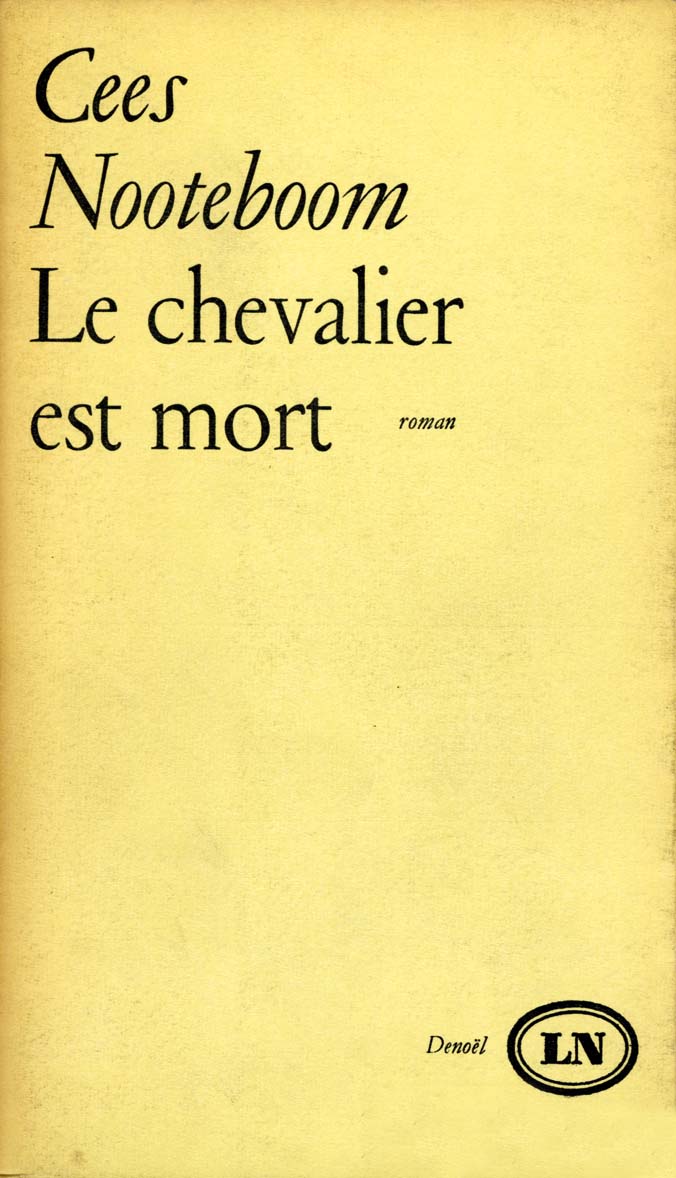
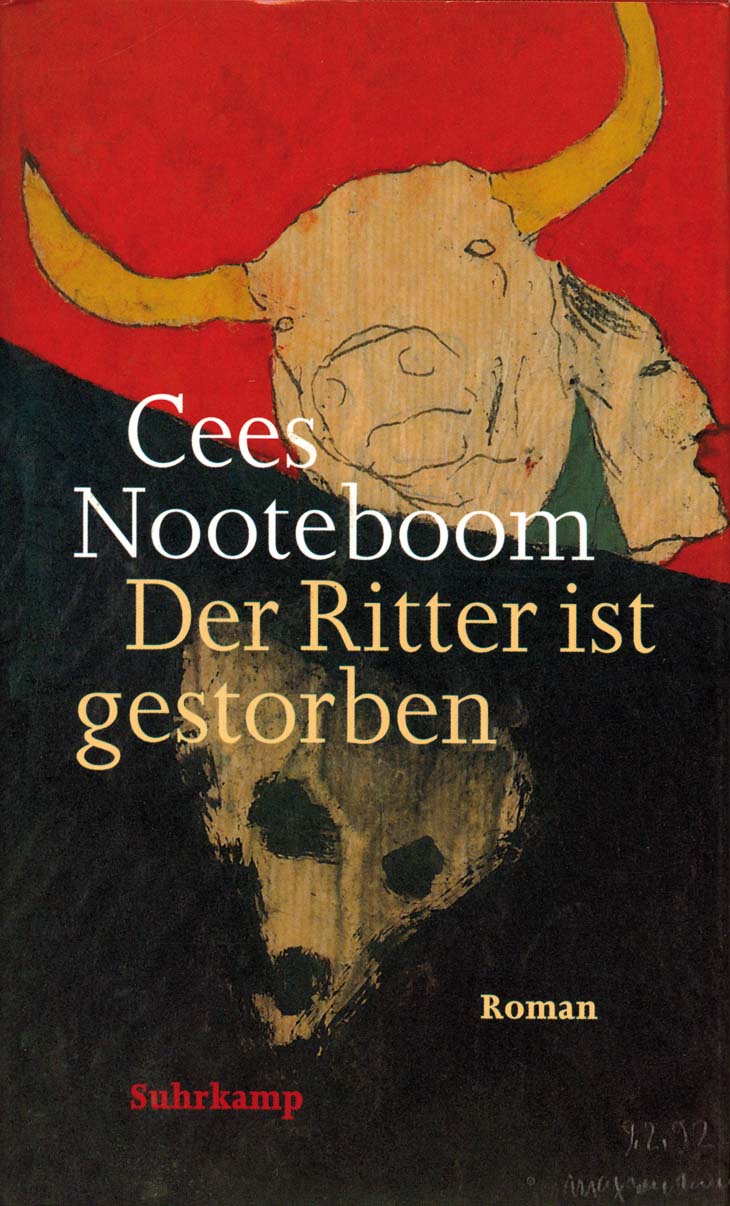
De ridder is gestorven. Novel. Querido, Amsterdam 1963. New edition 2009 (7th ed.) with a preface by Connie Palmen, De Bezige Bij, Amsterdam.
Een middag in Bruay. Columns, travel stories. De Bezige Bij, Amsterdam 1963.
Gesloten gedichten. Poetry. De Bezige Bij, Amsterdam 1964.
Een nacht in Tunesië. Columns, travel stories. De Bezige Bij, Amsterdam 1965.
De Parijse beroerte. Essay. De Bezige Bij, Amsterdam 1968.
Een ochtend in Bahia.Columns, travel stories. De Bezige Bij, Amsterdam 1968.
Gemaakte gedichten. Collected poetry. De Bezige Bij, Amsterdam 1970.
Bitter Bolivia, Maanland Mali. Travel stories. De Bezige Bij, Amsterdam 1971.
Open als een schelp – dicht als een steen. Poetry. De Arbeiderspers, Amsterdam 1978.
Een avond in Isfahan. Travel stories. De Arbeiderspers, Amsterdam 1978.
Rituelen. Novel. De Arbeiderspers, Amsterdam 1980. New edition 2009 (23rd ed.) with a preface by A.S. Byatt, De Bezige Bij, Amsterdam.
Nooit gebouwd Nederland. Essay. Koninklijk Verbond van Grafische Ondernemingen, Amsterdam 1980.
Een lied van schijn en wezen. Novella. De Arbeiderspers, Amsterdam 1981.
Voorbije passages. Travel stories, essays. De Arbeiderspers, Amsterdam 1981.
Mokusei! Een liefdesverhaal. Novella. De Arbeiderspers, Amsterdam 1982.
Aas. Poetry. De Arbeiderspers, Amsterdam 1982.
Gyges en Kandaules. Een koningsdrama. Drama. De Arbeiderspers, Amsterdam 1982.
Waar je gevallen bent, blijf je. Columns, travel stories, essays (Privé-domein series 89). De Arbeiderspers, Amsterdam 1983.
In Nederland. Novel. De Arbeiderspers, Amsterdam 1984.
Vuurtijd, IJstijd. Gedichten 1955-1983. Collected poetry. De Arbeiderspers, Amsterdam 1984.
De zucht naar het Westen. Travel stories. De Arbeiderspers, Amsterdam 1985.
Het Spaanse van Spanje. Travel story. De Bijenkorf, Amsterdam 1986.
De Boeddha achter de schutting. Aan de oever van de Chaophraya. Novella. Kwadraat, Utrecht 1986.
De brief. Story. De Arbeiderspers, Amsterdam 1988.
Het gezicht van het oog. Poetry. De Arbeiderspers, Amsterdam 1989.
De wereld een reiziger. Travel stories, essays. De Arbeiderspers, Amsterdam 1989.
Berlijnse notities. Essays. De Arbeiderspers, Amsterdam 1990.
Vreemd water. Travel stories, essays. De Arbeiderspers, Amsterdam 1991.
Het volgende verhaal. Novel. CPNB/De Arbeiderspers, Amsterdam 1991.
Zurbarán & Cees Nooteboom. Essay. Atlas, Amsterdam 1992.
De omweg naar Santiago. Travel stories, essays. Atlas, Amsterdam 1992.
De koning van Suriname. Short stories. Muntinga, Amsterdam 1993.
De ontvoering van Europa. Speeches, essays. Atlas, Amsterdam 1993.
Zelfportret van een ander. Dromen van het eiland en de stad van vroeger. Prose poems. Atlas, Amsterdam 1993.
De atlas van Cees Nooteboom. Travel stories with photo’s by Eddy Posthuma de Boer. Atlas, Amsterdam 1993.
Mokusei! & De Boeddha achter de schutting. Novella’s. De Arbeiderspers, Amsterdam 1994.
Van de lente de dauw. Oosterse reizen. Travel stories, essays. De Arbeiderspers, Amsterdam 1995.
De filosoof zonder ogen. Europese reizen. Travel stories, essays. De Arbeiderspers, Amsterdam 1997.
Allerzielen. Roman. Atlas, Amsterdam 1998. New edition 2009 with an afterword by Lázlo Földényi, De Bezige Bij, Amsterdam.
Zo kon het zijn. Poetry. Atlas, Amsterdam 1999.
Bitterzoet. Honderd gedichten van vroeger en zeventien nieuwe. Poetry. De Arbeiderspers, Amsterdam 2000.
Nootebooms Hotel. Travel stories, essays. Atlas, Amsterdam 2002.
Met andere woorden. Poetry translations. Stichting P.C. Hooftprijs, Atlas, Amsterdam 2004.
Paradijs verloren. Novel. Atlas, Amsterdam 2004.
Het geluid van Zijn naam. Reizen door de Islamitische wereld. Travel stories, poetry. Atlas, Amsterdam 2005.
Tumbas. Graven van dichters en denkers. Essays and portraits. With photo’s by Simone Sassen. Atlas, Amsterdam 2007
Rode regen. Short stories, memoir, poetry. Atlas, Amsterdam. 2007
Verleden als eigenschap. Kronieken 1961/1968. Journalism. Edited by Arjan Peters. Atlas, Amsterdam 2008.
’s Nachts komen de vossen. Short stories. De Bezige Bij, Amsterdam 2009.
Berlijn 1989/2009. Essays. De Bezige Bij, Amsterdam 2009.
Raadsel van het licht. Essays on art. De Bezige Bij, Amsterdam 2009.
Journal de bord. Verre reizen. Travel stories. De Bezige Bij, Amsterdam 2009.
Praise for Cees Nooteboom
—
‘Cees Nooteboom, I do not know who he is, but I do know what he is like. And I know what he can do with words if he remains true to himself: a novelist pur sang.’ – C.J.E. Dinaux, Haarlems Dagblad, 1956
‘The reader will look forward with excitement to new work by this undeniably highly gifted writer, as will I.’ – de Volkskrant, 1956
‘Every image is truly surprising […]. Cees Nooteboom’s magnificent effort and style are reminiscent of the Old Masters of the Dutch still life.’ – Neue Zürcher Zeitung on Rituelen (Rituals)
‘Nooteboom’s André Steenkamp is a displaced person in more than one respect; he is behind the times. And it is precisely this process of getting behind the times, becoming meaningless, that Nooteboom depicts so evocatively as a slow death.’ – Hella S. Haasse
‘The provocative tone with which this novel responds to the apocalyptic vision is of unprecedented originality in this country.’ – Frankfurter Allgemeine Zeitung on Rituelen (Rituals)
‘In this age of literary specialization, the Dutch author Cees Nooteboom still wears the many-colored coat of the man of letters – poet, novelist, playwright, translator and travel writer.’ – Michael Malone, The New York Times Book Review
‘Very personal and topical travel stories of a quality that is unfortunately rarely encountered in Dutch periodicals and newspapers.’ – Max van Rooy, NRC Handelsblad
‘He is a philosopher, a bon viveur, a rogue, a dreamer, a cosmopolitan and a nomad, a cook, a melancholic. He has something of Pascal about him, and Eulenspiegel, Wolfram Sieback and Robert Burton. And he is a metaphysician: Cees Nooteboom.’ – Joachim Sartorius
‘Much more than a 20th-century village storyteller, Cees Nooteboom stands as an impressive and inimitable voice among contemporary writers.’ – Linda Simon, The New York Times Book Review
‘The literary travel story is a genre that Cees Nooteboom has raised to a high level. Like Canetti, he is able to blend factual and personal details in such a way as to create a completely distinctive and rich kind of prose.’ – Gerrit Jan Zwier
‘Perhaps the most important book I’ve read this year. I’m deeply impressed by this Cees Nooteboom. To think the Dutch have such a great writer!’ – Marcel Reich-Ranicki about Het volgende verhaal (The Following Story)
‘What he seeks is an understanding of the irreconcilable. He is a writer who measures himself against the culture he encounters.’ – Doeschka Meijsing on the travel stories
‘An impressive philosophical novel… elegant and subtle.’ – Lire on Het volgende verhaal (The Following Story)
‘All of his work possesses an erudition, a command of language, and skill that we find in America in Nabokov and Guy Davenport. Consider it a niche, if you will, but one we must keep.’ – Robert Buckeye, Review of Contemporary Fiction
‘I firmly believe that Rituelen is his best novel, and in a sense the centre of his entire oeuvre.’ – Arnold Heumakers, de Volkskrant
‘These days there is hardly any more wonderful, more spiritual pleasure than reading Cees Nooteboom.’ – Neue Zürcher Zeitung
‘Nooteboom is a novelist of big themes, but he is never heavy-handed. He embeds philosophical musings in observations of the commonplace, so that his ideas sneak up on you, appearing unexpectedly, breathtakingly, like angels hidden in abandoned cupboards.’ – Jennifer Vanderbes, The Washington Post
‘Cees Nooteboom is a great European novelist. He is great both because he understands the shapes of the history we have lived, and because he makes new fictive forms in which to record them.’ - A.S. Byatt in her introduction to Rituals

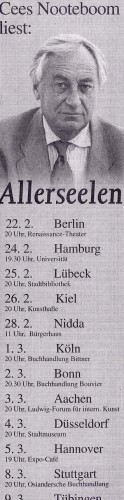

These details are taken from the database of the Foundation for the Production and Translation of Dutch Literature (NLPVF), which promotes Dutch literature abroad. Their website features a database of translations of Dutch and Flemish authors, together with translations of excerpts and information about the authors and the NLPVF.

Images
—
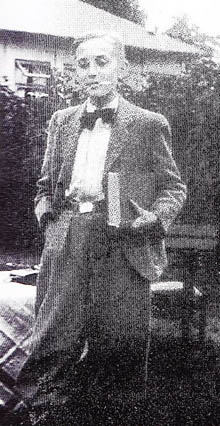

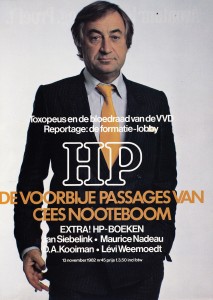
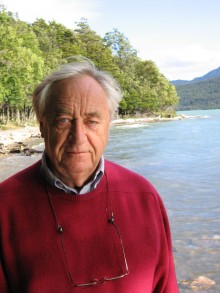
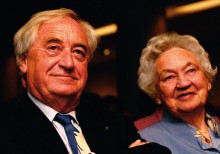
____
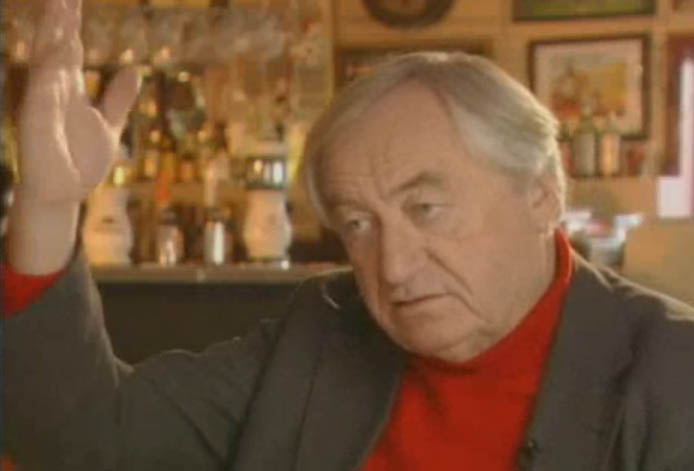
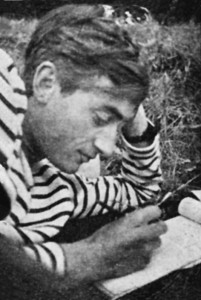
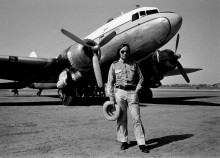
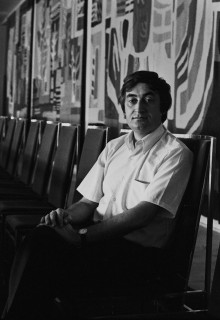
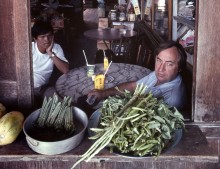
Photos 4, 5 and 6 from above by Eddy Posthuma de Boer, second photo from below by Simone Sassen, other images from the archive of Cees Nooteboom.
Novelist
—

Nooteboom’s debut novel, Philip en de anderen (Philip and the Others), came out in 1955. He was twenty-two years old at the time. Where did the inspiration come from? READ MORE
Translators of the work of Cees Nooteboom
—
Tibor Bérczes (Hungarian)
Helga van Beuningen (German)
Bagrelia Borissova (Bulgarian)
Anne-Marie de Both-Diez (French)
Madla de Bruin-Hüblová (Czech)
Adam Bzoch (Slovakian)
Francisco Carrasquer (Spanish)
Ana Maria Carvalho (Portuguese)
Myong-Suk Chi (Chinese)
Patriciá Couto (Portuguese)
Daniel Cunin (French)
Aneta Dantcheva (Bulgarian)
Klára Devich (Hungarian)
Ino van Dijck-Balta (Greek)
Jaroslav Dowhopolyi (Polish)
Andreas Ecke (German)
Bodil Engel (Norwegian)
Geir Farner (Norwegian)
Fulvio Ferrari (Italian)
Hans-Christian Fink (Danish)
Fernando García de la Banda (Spanish)
Julio Grande Morales (Spanish)
Mariona Gratacòs i Grau (Catalan)
Irina Grivnina (Russian)
Ran HaCohen (Hebrew)
Veronika Havlíková (Czech)
Sverrir Hólmarsson (Danish)
Per Holmer (Swedish)
Annika Johansson (Swedish)
Tim Kane (Danish)
Vishnu Khare (Hindi)
Olga Krijtová (Czech)
Isabel-Clara Lorda Vidal (Spanish)
Christian Marcipont (French)
Susan Massotty (English)
Irina Michajlova (Russian)
Tanja Mlaker (Slovenian)
Gheorghe Nicolaescu (Romanian)
Philippe Noble (French)
Laura Pignatti (Italian)
Inese Paklone (Latvian)
Franco Paris (Italian)
Claudia di Palermo (Italian)
Romana Peredinec (Croatian)
Arie Pos (Portuguese)
Ard Posthuma (German)
Egil Rasmussen (French)
Ina Rilke (English)
David Santoro (Italian)
Ivana Scepanovic (Serbian)
Rosemarie Still (German)
Kerti Tergem (Estonian)
Krisztina Törö (Hungarian)
Gioia-Ana Ulrich (Croatian)
Johannes Hendrik Verschoor en Anita Bradun (Croatian)
Ingrid Wikén Bonde (Swedish)
Cao Xuân Tú (Chinese)
Cristiano Zwiesele do Amaral (Portuguese)
Source: NLPVF bibliography, publications between 1995 and 2009.
Poet
—

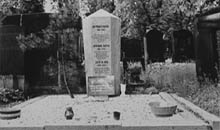
Cees Nooteboom is known primarily for his novels and his travel books. As far as he is concerned, however, poetry comes first. READ MORE
Art Reviewer
—

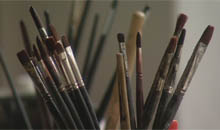
Many of Nooteboom’s essays deal with art, particularly those branches with a visual focus: painting, architecture, film and photography. READ MORE